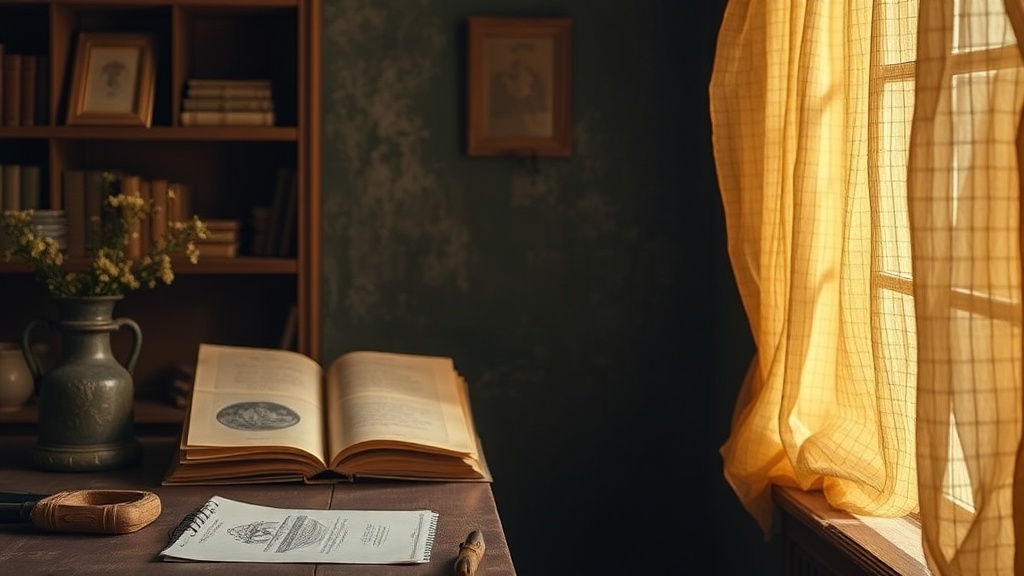
Why Your Antique Paper Is Turning Yellow

The discoloration of antique paper—the shift from creamy white to a brittle, amber hue—is not merely an aesthetic change; it is a chemical reaction in progress. For collectors of first editions and historical documents, this yellowing, often called "foxing" or "acid-burn," represents the slow degradation of the object's structural integrity. Understanding the specific chemical triggers behind this process allows you to implement preventative measures that can preserve the value and longevity of your collection. This guide examines the three primary culprits: lignin, acidity, and environmental instability.
The Lignin Problem and the Industrial Revolution
To understand why your 19th-century novels look different from your 17th-century manuscripts, you must look at the raw materials. Before the mid-19th century, high-quality paper was largely made from cotton or linen rags. These fibers are incredibly stable and resistant to chemical breakdown. However, the industrialization of paper production introduced wood pulp, which changed the forensic profile of the medium forever.
Wood pulp contains a complex organic polymer called lignin. Lignin is the "glue" that holds wood fibers together in a living tree, but in paper, it is a ticking time bomb. When exposed to light and oxygen, lignin undergoes an oxidation process. This chemical reaction produces chromophores—molecules that absorb light and reflect the yellow or brown wavelengths we see as discoloration. If you are holding a mass-market paperback from the 1950s, the rapid yellowing is almost certainly a result of high lignin content and the cheap, acidic manufacturing processes used during that era.
When examining a potential acquisition, look closely at the edges of the pages. If the discoloration is uniform and follows the edges where the book was most exposed to air, you are likely seeing the effects of lignin oxidation. This is a critical distinction to make when evaluating the condition of a book, as it helps differentiate between superficial staining and deep-seated structural decay.
The Role of Acidic Sizing and Ink
Beyond the pulp itself, the additives used during the manufacturing process contribute to the degradation of the page. In the history of printing, "sizing" was used to coat the paper to make it less absorbent, ensuring that ink stayed sharp rather than bleeding into the fibers. During the 19th and early 20th centuries, many manufacturers used alum-rosin sizing.
Alum is highly acidic. When moisture from the air enters the paper, the alum reacts to create sulfuric acid. This acid attacks the cellulose chains within the paper, breaking them down and making the pages increasingly brittle. This is why many books from the late Victorian era do not just turn yellow, but actually crumble to the touch. The ink can also play a role; certain iron gall inks, common in earlier centuries, are inherently acidic and can actually "burn" through the page over time, creating a lace-like effect of decay.
For those interested in the technical evolution of these materials, understanding the transition from handmade to machine-made materials is essential. You can learn more about the structural history of these mediums by reading about tracing the history of early printing, which details the shift from durable parchment to more volatile paper stocks.
Environmental Triggers: Heat, Light, and Humidity
While the chemical composition of the paper sets the stage for decay, the environment acts as the catalyst. Even the highest quality rag paper can degrade if subjected to improper storage conditions. There are three primary environmental enemies to your collection:
1. Ultraviolet (UV) Radiation
Light is a high-energy force that accelerates the oxidation of lignin and the breakdown of cellulose. UV rays from direct sunlight or even certain types of fluorescent lighting act as a kinetic energy source that drives chemical reactions forward. If a book is displayed face-out on a shelf near a window, the "sun-bleaching" effect is often accompanied by a rapid yellowing of the page edges. To mitigate this, use UV-filtering film on windows or store your most valuable volumes in closed, dark cabinets.
2. Fluctuating Humidity
Paper is hygroscopic, meaning it naturally absorbs and releases moisture from the air. In high humidity, the fibers swell; in low humidity, they shrink. This constant mechanical stress weakens the paper's structure. Furthermore, high humidity provides the necessary medium for "foxing"—the reddish-brown spots often seen on antique paper. Foxing is frequently caused by the oxidation of iron particles embedded in the paper or by the growth of micro-fungi that thrive in damp environments. To prevent this, maintain a consistent relative humidity (RH) between 35% and 50%.
3. Temperature Extremities
Heat acts as a catalyst for every chemical reaction, including the acid-catalyzed hydrolysis that destroys paper. A room that is kept too warm will accelerate the rate at which acidic sizing breaks down the cellulose. If you are storing a collection in an attic or a basement, you are essentially creating a high-speed laboratory for paper decay. The ideal storage temperature is cool and, most importantly, stable. Rapid temperature swings are more damaging than a constant, slightly higher temperature because they force the paper to undergo constant expansion and contraction.
Practical Preservation Strategies
Preventing the yellowing of your collection requires a disciplined approach to storage and handling. You cannot reverse the chemical changes once they have occurred, but you can slow the rate of decay significantly.
- Use Acid-Free Materials: When housing books or documents, use only acid-free, lignin-free folders and boxes. Many commercial "archival" products are not truly acid-free; look for the ISO 18916 standard or the Lignin-Free certification to ensure the material won't off-gas acids onto your collection.
- Implement Micro-Climates: For extremely valuable items, consider using archival-grade polyester sleeves (such as Mylar). These provide a physical barrier against dust and moisture, though they should be used with caution as some plastics can trap gases if not properly ventilated.
- Monitor with Technology: Do not rely on intuition. Use a digital hygrometer to monitor the humidity and temperature in your library. If you see a spike in humidity, you must act immediately to stabilize the environment.
- Avoid "Old Book Smell" Fallacies: Many collectors associate the scent of old books with authenticity. However, that scent is often the smell of organic breakdown (volatile organic compounds). If a book has a heavy, musty odor, it may be experiencing active fungal growth or high levels of acid decay. Understanding these scents is a key part of identifying authentic antique paper fragrances and distinguishing between a pleasant aging process and active destruction.
The Forensic Perspective on Value
As a collector, you must view the color of your paper as a diagnostic tool. A light, even cream tint on a 1920s volume is often expected and does not necessarily detract from its value. However, dark, brittle, or spotted pages suggest a failure in environmental control or a fundamentally poor manufacturing process. When you are out in the field, whether at a specialized auction or spotting valuable books at yard sales, always check the "edge-to-center" color gradient. If the edges are dark brown and the center is white, the book has been poorly stored or exposed to light. If the entire page is a uniform, light tan, it is more likely a natural aging of the paper stock itself.
By treating your collection as a series of chemical specimens rather than just aesthetic objects, you can move from being a passive owner to an active conservator. The goal is not to stop time, but to slow it down to a crawl.