The Hidden Danger of Sunlight on Rare Paper

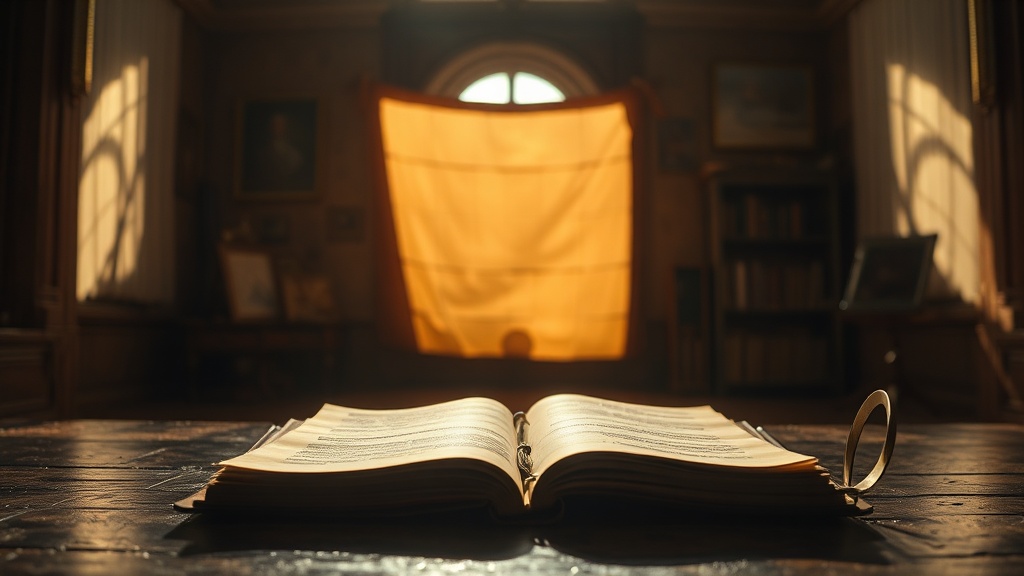
A single beam of light strikes a corner of a 1925 first edition of The Great Gatsby. To the untrained eye, it’s just a bright spot in a room. To a collector, it is a slow-motion wrecking ball. Sunlight doesn't just illuminate a book; it actively dismantles it through a process of chemical degradation. This post examines the specific ways ultraviolet (UV) radiation destroys paper fibers and leather bindings, and how you can prevent permanent damage to your library.
The physics is brutal. Light carries energy, and when that energy hits organic materials like cellulose or animal skin, it triggers a reaction. It’s not just about fading colors. It’s about the structural integrity of the object itself. If you own rare volumes, you aren't just a reader; you're a temporary custodian of a physical record. And right now, the sun is trying to erase it.
How Does Sunlight Damage Rare Books?
Sunlight damages rare books primarily through photo-oxidation and thermal degradation. UV rays break down the molecular bonds in paper and cloth, leading to brittleness and discoloration. This isn't a gradual change that you can reverse; it's a permanent structural failure.
When UV radiation hits the lignin in wood-pulp paper—the stuff found in many books from the 19th and early 20th centuries—it creates an acidic reaction. This makes the paper turn yellow, then brown, and eventually becomes so brittle that a single touch can cause the pages to crumble. It’s a process called "acid hydrolysis." You can see it happening in real-time as the edges of a page turn from cream to a scorched-looking tan.
The damage isn't limited to the pages. Leather bindings are even more vulnerable. Sunlight strips the natural oils from the leather, causing it to dry out, crack, and eventually flake away. A beautiful calfskin binding can turn into a pile of dust if left in a window's path. This is why many high-end collectors are obsessed with photodegradation—the chemical breakdown of a substance by light.
Think of it like this: the light is a microscopic saw, cutting through the very fibers that hold the book together. By the time you notice the change, the damage is often deep-seated. The colors of a dust jacket might look vibrant today, but the sun is already bleaching the pigments at a level the human eye can't yet perceive.
The Three Types of Light Damage
- UV Radiation: The most aggressive. It breaks molecular bonds in dyes and paper fibers.
- Visible Light: While less intense, prolonged exposure still leads to pigment fading.
- Infrared (Heat): This isn't light, but it comes with it. Heat causes expansion and contraction, which stresses the binding.
Can You Protect Books from UV Light?
You can protect books from UV light by using physical barriers, specialized glass, and controlled lighting environments. While you can't stop light from existing, you can filter out the specific wavelengths that do the most damage.
The most effective method is a combination of distance and filtration. If you have a library with large windows, the sunlight is your enemy. Even if the books are in a cabinet, the light is getting in. I've seen "fine" copies of books that looked perfect in a shop, only to have their spines bleached within months of being placed in a sunlit study. It’s a classic example of why many "fine" copies fail the test of long-term preservation.
Here are the most effective tools for protection:
- UV-Filtering Film: You can apply window films (like those from 3M) to your windows. These films block a massive percentage of UV rays without making the room dark.
- Museum Glass: If you display a single, prized volume in a shadow box, use museum-grade glass. This is the gold standard for high-end displays.
- LED Lighting: Swap out any old fluorescent or incandescent bulbs for high-quality LEDs. LEDs emit significantly less UV and heat than traditional bulbs.
- Closed Shelving: Glass-fronted cabinets are better than open shelving, but even then, the light can penetrate. The best protection is a solid door.
Worth noting: Never use a UV-blocking spray on the books themselves. You aren't protecting a car's paint job; you're dealing with a delicate organic object. Any chemical application to the book is a high-risk gamble that usually ends in disaster.
What is the Best Way to Display a Rare Collection?
The best way to display a rare collection is in a temperature-controlled, dark, and stable environment. A book's greatest enemy isn't just light, but the constant fluctuation of light and temperature.
If you must display a book, treat it like a sensitive artifact. Don't place it on a mantelpiece or near a window. A bookshelf in a hallway or an interior room is a much safer bet. The goal is to maintain a "steady state." If the light levels are constant and low, the rate of decay slows down significantly. Rapid changes in light—like a book sitting in a sun-drenched room all day and then in a dark room at night—create thermal stress that can warp even the sturdiest bindings.
I often recommend collectors look at the following comparison when deciding on storage/display methods:
| Method | Protection Level | Primary Risk |
|---|---|---|
| Open Shelving | Low | Direct UV exposure and dust accumulation. |
| Glass-Front Cabinet | Medium | Trapped heat and "greenhouse effect" inside the glass. |
| UV-Filtered Case | High | High cost and specialized installation required. |
| Closed Storage (Boxed) | Maximum | Lack of visibility/display value. |
A quick tip for the amateur: if you're seeing a "yellowing" of the edges, don't panic, but do move the book immediately. That is your first warning sign. It's the book's way of telling you the environment is hostile. It’s a silent alarm.
If you are dealing with a volume that has already suffered significant fading, you may want to consult a professional conservator. Attempting to "fix" a faded spine with topical treatments is a mistake I've seen many collectors make. Once the pigment is gone, it's gone. You can't un-bake a cake.
Keep your eyes on the details. Watch the light. A collector who ignores the sun is a collector who loses their history, one photon at a time.