
The Dust Jacket Lie: Why 90% of ‘Fine’ Copies Fail the First Real Test

Quick Tip
Trust the scars over the shine—authentic wear is more valuable than artificial perfection.
The specimen before us appears immaculate. The dealer calls her “Fine.” The jacket gleams under soft light, uncreased, unblemished, almost suspiciously young. And yet—there’s a silence where there should be history.
This is where most collectors fail their first real test. They look at condition. They forget to interrogate integrity.

The One Tell That Changes Everything
If you remember nothing else from this report, remember this: a dust jacket without a past is often a dust jacket without a future.
The modern market has developed a peculiar obsession with the word “Fine.” It is whispered in listings like a promise of purity. But purity, in rare books, is often a fabrication. A jacket too clean, too sharp, too untouched—she raises questions.
(And questions, in this trade, are where the truth lives.)
The most common deception is not forgery. It is substitution. A “marriage” jacket—one taken from another copy, or worse, a modern facsimile dressed in convincing paper stock—paired with a legitimate first printing. A union of convenience. A lie, neatly wrapped.

Let’s Examine the Spine (Where the Truth Usually Hides)
The spine is where the body keeps its secrets. Always has been.
A true first-state dust jacket carries stress. Micro-fractures along the folds. A faint dulling at the crown. Perhaps a whisper of sunning along the spine panel. These are not flaws—they are testimony.
A replacement jacket, by contrast, often presents as eerily uniform. The folds are too crisp. The coloration too consistent. The wear—if artificially introduced—appears theatrical rather than organic.
(Real wear is chaotic. It does not respect symmetry.)
Run your fingers along the fold. Then stop. Smell it.
Yes—this is the part the forums never mention. Paper remembers. A 1920s jacket should carry a quiet, dry sweetness. Not chemical sharpness. Not the sterile scent of recent ink.

The Paper Itself: Fiber Never Lies
We move from surface to substrate.
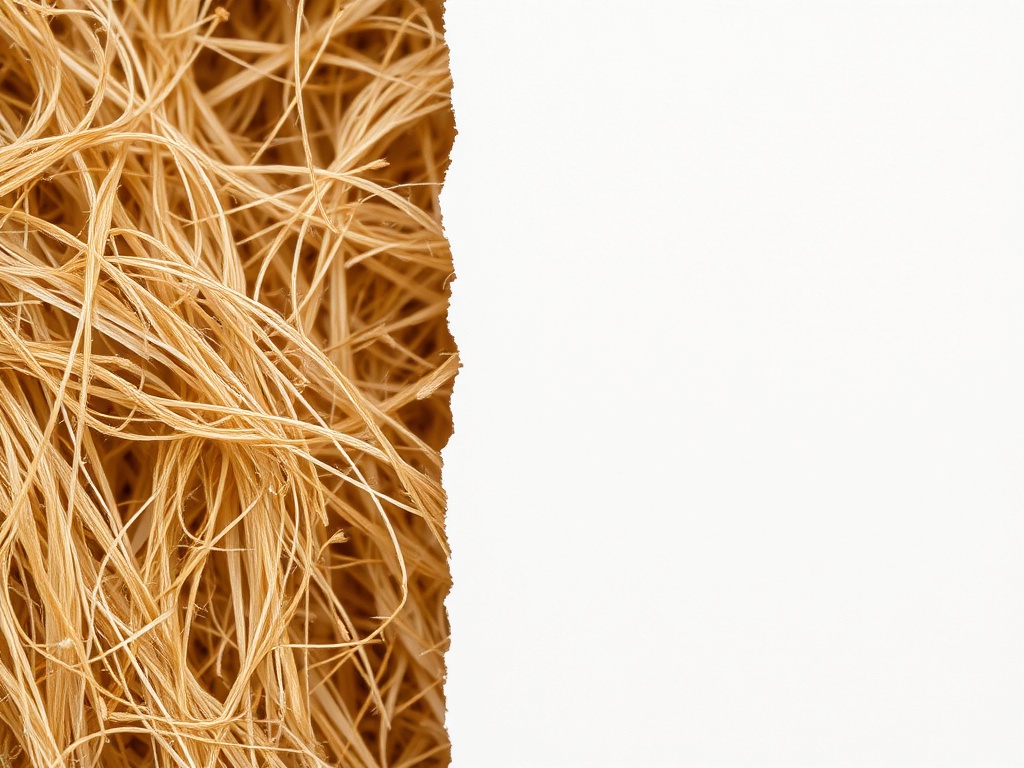
Authentic period dust jackets were printed on specific stock—cheap, yes, but distinct. Slightly brittle, often with uneven fiber distribution. Under magnification, you’ll see it: the irregularity, the tiny imperfections that modern reproductions struggle to mimic.
Facsimiles, even sophisticated ones, tend toward uniformity. The fibers appear too consistent. The flexibility feels wrong—either too stiff or too forgiving.
(And if it bends without protest, be suspicious. Old paper resists. She has earned that right.)
Color: The Slow Violence of Time
Time is an artist with a single obsession: decay.
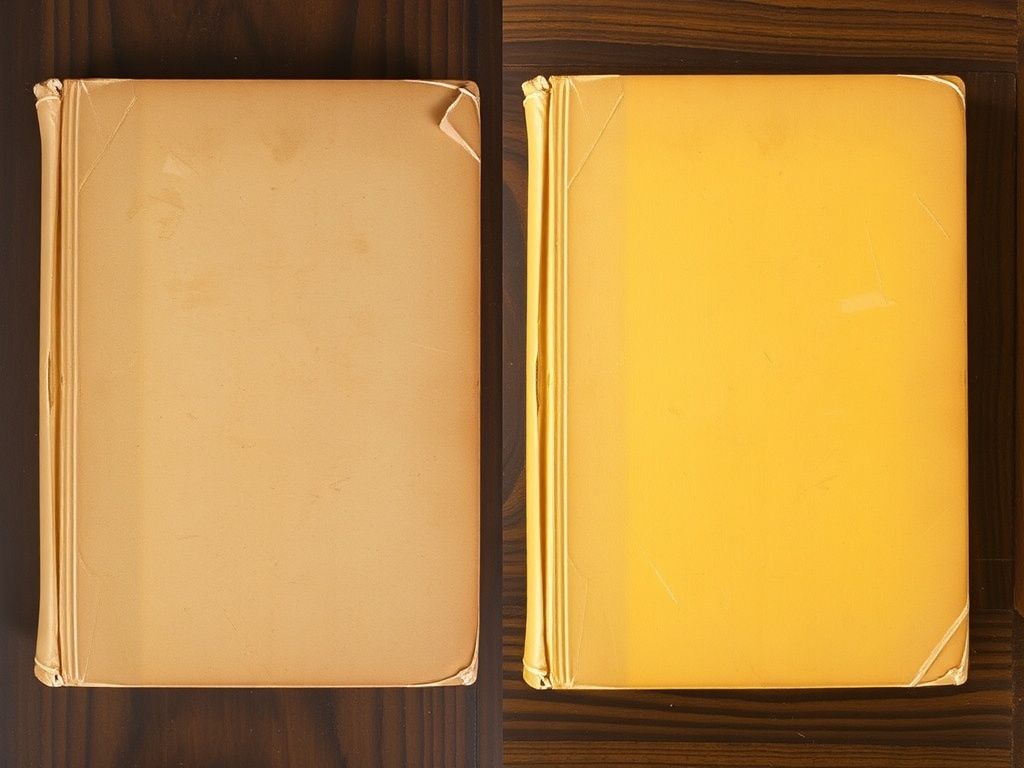
Original jackets fade unevenly. The spine, exposed to light, will often differ subtly from the front panel. Reds mute into rust. Blues retreat into grey. Whites—never truly white—lean toward cream.
A facsimile, even when artificially aged, often misses this nuance. The color degradation appears applied rather than lived-in. Too even. Too polite.
Look for discord. Authenticity is rarely harmonious.
The Price Trap (Where Most People Get Hurt)
Here’s the quiet danger: a “Fine” copy commands a premium. Sometimes a significant one.
If that condition is built on a false jacket, you are not buying a cornerstone. You are buying a performance.
And performances age poorly.
A slightly worn, entirely original jacket—creases, chips, and all—will outperform a pristine fraud every time. Because the market, eventually, corrects for truth.
(It always does. The bibliography is patient.)
The Practical Test You Can Run in 60 Seconds
You’re at an estate sale. The clock is ticking. The room smells like dust and indecision.
Run this sequence:
- Look at the folds: Are they naturally softened or unnaturally sharp?
- Check the spine: Is the fading consistent with exposure?
- Feel the paper: Does it resist or yield too easily?
- Smell it: Age has a signature. Learn it.
- Question perfection: If it looks untouched, ask why.
This is not paranoia. This is discipline.

Verdict
The modern collector has been trained to chase condition. It is the wrong instinct.
Condition without authenticity is decoration. Authenticity with honest wear is history.
The tip—the only one that matters—is this:
Trust the scars over the shine.
She doesn’t need to be perfect. She needs to be true.
Happy hunting.