Step‑by‑Step Guide to a Sustainable Spring Capsule Wardrobe

Step‑by‑Step Guide to a Sustainable Spring Capsule Wardrobe
Ready to trade your heavy coats for breezy pieces without trashing the planet? Spring is the perfect moment to curate a capsule collection that feels fresh, versatile, and eco‑friendly. In the next few minutes, I’ll walk you through a forensic‑style audit of your closet, the key pieces to pick, and how to source second‑hand gems and low‑impact fabrics.
Why a Spring Capsule Makes Sense Now
Seasonal transitions are a natural checkpoint for minimalists. A capsule wardrobe reduces decision fatigue, cuts waste, and aligns with the blooming optimism of spring. Plus, it lets you spotlight sustainable textiles that feel as light as the weather.
How Do I Audit My Current Closet?
What items should I keep, donate, or discard?
Start by emptying your wardrobe onto a clean surface. For each piece, ask:
- Do I wear it at least once a month?
- Is it in good condition (no stains, tears, or moth damage)?
- Does it fit my current style and body?
If the answer is “no” to two or more, set it aside for donation or resale. Keep only versatile, well‑crafted items.
Which Core Pieces Form the Capsule?
What are the essential building blocks?
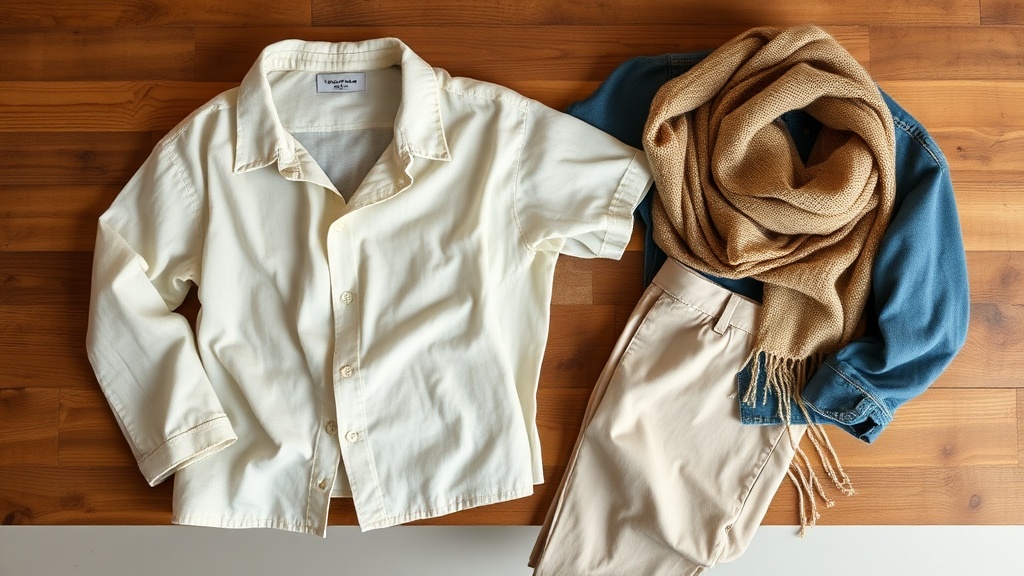
Focus on timeless silhouettes that mix‑and‑match effortlessly. Here’s a lean list that covers work, casual, and evenings:
- Organic‑cotton shirt – crisp, breathable, neutral color.
- Linen trousers – lightweight, wrinkle‑resistant, perfect for warm days.
- Vintage denim jacket – adds structure; look for reclaimed denim.
- Hemp or Tencel skirt – eco‑friendly drape, easy to layer.
- Reusable silk scarf – pops of colour, can double as a belt.
- Minimalist sneakers made from recycled rubber – comfortable for walking markets.
- Lightweight cardigan in recycled wool – evenings get chilly.
Each piece should work with at least three others, creating dozens of outfits with just a handful of items.
Where Can I Find Eco‑Friendly Fabrics?
Which sources offer sustainable, second‑hand, or upcycled garments?
Combine three hunting grounds:
- Thrift stores & vintage shops – Look for natural fibers (cotton, linen, hemp) and check garment construction.
- Online marketplaces dedicated to ethical fashion – Sites like Reformation or Patagonia label their recycled‑material lines.
- Direct‑to‑consumer sustainable brands – Brands such as Everlane publish fabric‑origin reports.
When buying second‑hand, inspect seams and fabric weight. A good rule: natural fibers feel heavier and softer than synthetics.
How Do I Care for My Capsule to Extend Its Life?
What maintenance habits keep eco‑friendly textiles in top shape?
Adopt a forensic‑care routine:
- Cold‑water wash – Saves energy and protects fibers.
- Line‑dry whenever possible – Reduces tumble‑dry wear.
- Store in breathable garment bags – Prevents mold and moths.
- Repair minor tears promptly – A simple stitch can add years.
Document each piece with a quick photo and note of its origin; it’s a habit I use for my first‑edition collection and works wonders for clothing too.
What’s the Bottom Line?
By auditing, selecting versatile basics, and sourcing responsibly, you’ll own a spring capsule that feels fresh, reduces waste, and saves money in the long run. Your wardrobe becomes a curated museum of garments you love, not a landfill of forgotten trends.
Takeaway
Grab a notebook, declutter your closet, and purchase three new eco‑friendly pieces that match the core items above. Within a week you’ll have a functional, low‑impact spring capsule ready for any occasion.
Related Reading
- Spring Refresh: Embracing Minimalism for a Fresh Start – How minimalism can reshape any collection.
- Spring Home Office Refresh: Sustainable Flooring for Productivity – Sustainable upgrades beyond wardrobe.
- Spring Sleep Reset: Practical Tips to Beat Daylight Saving Time – Align your body clock as you refresh your style.
Frequently Asked Questions
- How many items should a capsule wardrobe contain?
- Typically 12‑20 pieces, including tops, bottoms, layers, and shoes, enough to create 30‑40 outfits.
- Can I include a few trend pieces?
- Yes, but keep them limited to 1‑2 items and ensure they still pair with your core basics.
- Is second‑hand always the most sustainable option?
- Often, but prioritize garments made from natural, low‑impact fibers. A vintage polyester piece still carries the carbon cost of its original production.
Steps
- 1
Audit Your Closet
Empty your wardrobe, evaluate each piece for frequency of wear, condition, and fit. Keep only versatile, well‑crafted items and set the rest aside for donation or resale.
- 2
Select Core Pieces
Choose timeless, mix‑and‑match basics—organic cotton shirts, linen trousers, a vintage denim jacket, a hemp/Tencel skirt, a silk scarf, recycled‑rubber sneakers, and a recycled‑wool cardigan.
- 3
Source Sustainable Fabrics
Shop thrift stores, ethical online marketplaces (Reformation, Patagonia), and direct‑to‑consumer sustainable brands (Everlane). Prioritize natural fibers and inspect construction.
- 4
Care for Your Capsule
Wash in cold water, line‑dry, store in breathable garment bags, and repair minor tears promptly to extend the life of each piece.