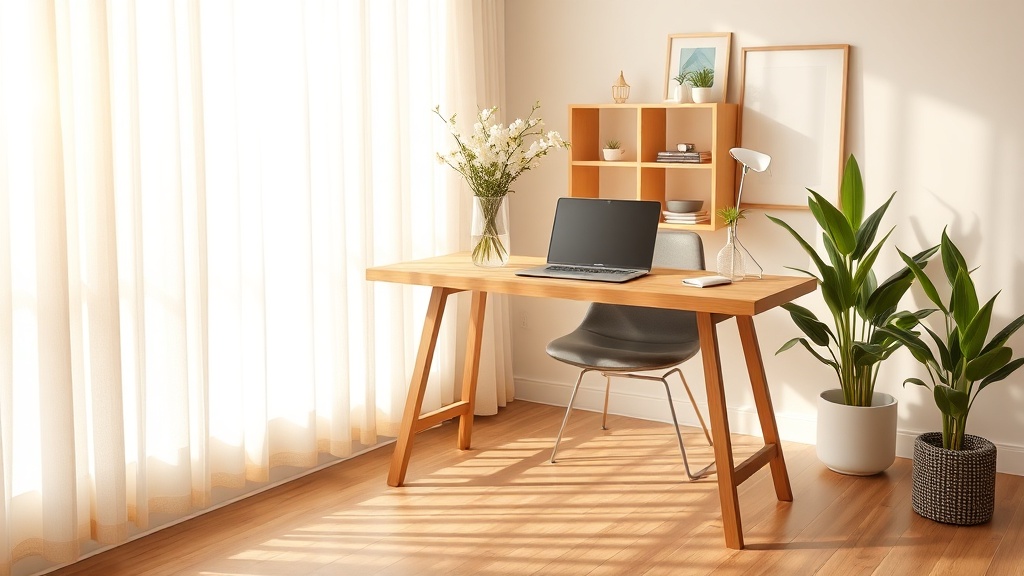
Spring Home Office Refresh: Sustainable Flooring for Productivity

Can a new floor really boost my home office productivity?
Hook: Imagine stepping onto a floor that feels like walking on a forest floor—quiet, resilient, and sustainably sourced. That subtle shift can sharpen focus and lift your mood, especially after the winter slump.
Context: Spring is the perfect time for a workspace makeover. As the days lengthen, we naturally crave fresh environments that support our renewed energy. A sustainable flooring upgrade hits both aesthetics and ergonomics without breaking the bank.
What are the top eco‑friendly flooring options for a home office?
Is bamboo the right choice?
Bamboo grows to maturity in 3‑5 years, making it one of the fastest‑renewable resources. It’s hard, stable, and feels warm underfoot—ideal for standing desks. According to the U.S. EPA, bamboo products have a lower embodied carbon than traditional hardwood.
Can cork improve comfort?
Cork is harvested from the bark of the cork oak without cutting the tree, so the tree continues to grow. Its natural cushioning reduces fatigue during long work sessions. The Cork Council notes cork’s excellent acoustic properties, which can mute the click‑clack of keyboards.
Is recycled vinyl a viable green option?
Modern recycled vinyl (often called “luxury vinyl plank”) incorporates post‑consumer plastic waste. It mimics wood or stone at a fraction of the cost and is water‑resistant—great for home offices that double as craft spaces. A 2023 study in Sustainable Materials & Technologies found that recycled‑vinyl flooring can cut life‑cycle greenhouse‑gas emissions by up to 30% compared with virgin vinyl.
How do I install these floors myself?
What tools do I need?
- Measuring tape and chalk line
- Utility knife or saw (depending on material)
- Rubber mallet and tapping block
- Flooring adhesive (if required)
- Safety goggles and dust mask
Step‑by‑step: Installing bamboo flooring
- Prep the subfloor: Ensure it’s level, clean, and dry. A low‑profile underlayment can smooth minor imperfections.
- Acclimate the planks: Lay them flat in the room for 48 hours so they adjust to humidity.
- Lay the first row: Start against the longest wall, using a spacer to maintain a ½‑inch expansion gap.
- Click‑lock or glue: Most bamboo panels click together; if gluing, apply adhesive to the tongue of each plank.
- Trim the final row: Measure and cut to fit, preserving the expansion gap.
- Finish: Remove spacers, install baseboards, and enjoy the new surface.
Tips for cork and recycled vinyl
Both cork and vinyl often come in click‑lock formats that require the same preparation steps. Cork benefits from a sealant to protect against spills, while vinyl’s adhesive‑backed versions simply peel and stick.
Why does sustainable flooring matter for my workspace?
Beyond the green credentials, these materials affect indoor air quality. Bamboo and cork are naturally low‑VOC, reducing off‑gassing that can cause headaches during long workdays. Recycled vinyl, when certified LEED, meets strict emissions standards.
What’s the budget outlook?
For a 150‑sq‑ft office, you can expect:
- Bamboo: $3‑$5 per sq‑ft (≈ $450‑$750 total)
- Cork: $4‑$7 per sq‑ft (≈ $600‑$1,050 total)
- Recycled vinyl: $2‑$4 per sq‑ft (≈ $300‑$600 total)
All prices include underlayment and basic tools. Add $100‑$200 for professional sanding if you prefer a flawless finish.
Takeaway
Choosing bamboo, cork, or recycled vinyl gives you a spring‑fresh, eco‑conscious office that supports focus, comfort, and a lighter carbon footprint. Follow the step‑by‑step guide, keep the expansion gap, and you’ll have a floor that lasts for years—just like a well‑preserved first edition.
Related Reading
- Spring Refresh: Embracing Minimalism for a Fresh Start – How a minimalist mindset can streamline any renovation.
- Spring Sleep Reset: Practical Tips to Beat Daylight Saving Time – Align your circadian rhythm with your newly refreshed workspace.