How to Assess Paper Quality in First Editions

Hook: Ever opened a first edition and wondered if the paper itself is a silent thief stealing its value?
Context: In rare book collecting, paper quality is the foundation of a book's authenticity and longevity. Even a perfectly bound copy can be compromised by paper that’s been repaired, acid‑etched, or artificially aged.
What paper characteristics reveal a true first edition?
First‑edition printers used specific fibers, deckle edges, and watermarks. Look for these tell‑tale signs:
- Fiber composition: Early 19th‑century books often use rag‑based paper, which feels thicker and more fibrous than modern wood‑pulp paper.
- Deckle edges: Irregular, feathered edges suggest hand‑made paper, a hallmark of many first editions.
- Watermarks: Hold the page up to light; faint logos or symbols can pinpoint the paper mill and year.
- Texture and opacity: Genuine rag paper is slightly translucent and has a tactile “tooth” that synthetic paper lacks.
For a deeper dive into dust‑jacket restoration, see my guide The Invisible Mend.
How can you test paper acidity and durability without damaging the book?
Acidic paper turns brittle over time. A quick, non‑invasive test can save you years of regret:
- pH test strips: Lightly press a strip against the inner margin; a reading above 7 indicates alkaline (stable) paper.
- Butterfly test: Gently rub a corner with a clean white cloth; if the paper darkens, it may be acidic.
- Humidity check: Place the book in a controlled environment (≈55% RH). If pages warp quickly, the paper lacks proper sizing.
Learn how binding wear can betray a seller’s shortcuts in The Gutter Margin.
Which red flags indicate paper that has been altered or repaired?
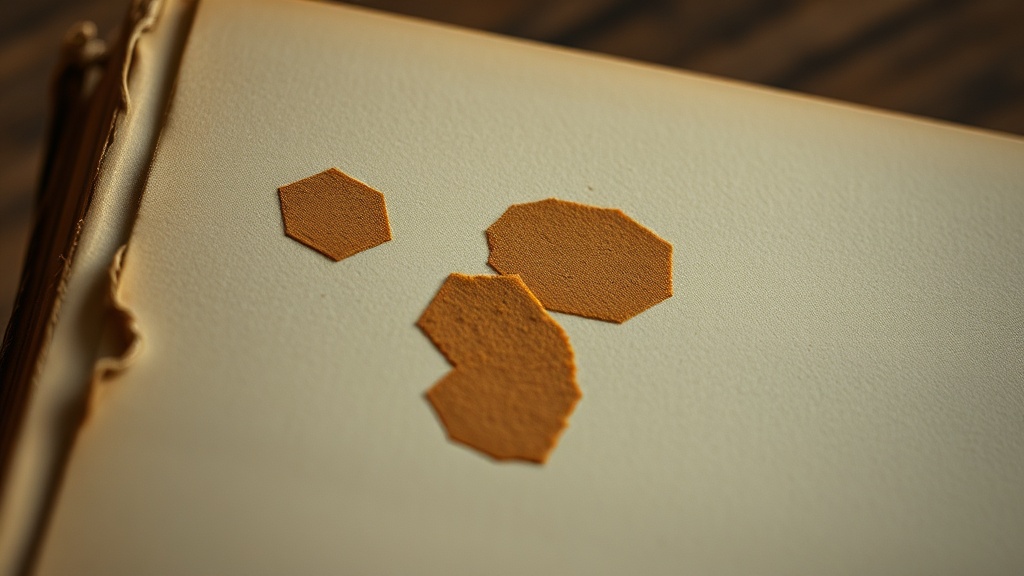
Restorers often conceal damage with tape, re‑gluing, or paper patches. Spot them with a keen eye:
- Visible seams: Look for uneven grain direction where a patch was added.
- Glossy patches: Modern repair paper often has a sheen that contrasts with historic matte fibers.
- Ink bleed differences: Original ink absorbs into rag paper; patched areas may show lighter or feathered ink.
- Odor clues: A faint chemical smell can indicate recent adhesives; compare with the earthy scent of authentic paper.
My article on moisture damage explains how odors can betray hidden issues: The Smell No One Wants to Ignore.
What tools and resources help you assess paper quality on the spot?
Arm yourself with a portable kit:
- Magnifying glass (10×): Reveals watermarks and grain patterns.
- pH test strips (litmus paper): Quick acidity check.
- Soft white brush: Gently removes surface dust to expose paper texture.
- Reference guide: Keep a pocket cheat‑sheet of known paper mills and their signatures.
For a broader forensic toolkit, see The Copyright Page as Crime Scene.
How do you apply these findings when deciding to buy or pass?
Combine the paper assessment with other forensic tells (dust‑jacket, binding, provenance). If any red flag appears, weigh the price against the risk:
- Clean, rag‑based paper + authentic watermark: Strong buy signal.
- Acidic or patched paper + suspicious binding wear: Consider negotiating down or walking away.
- Mixed signals: Request a detailed condition report or an expert opinion before committing.
Remember the seven tells from my Book Club Edition checklist; paper quality is the first line of defense.
Takeaway
Paper is the silent storyteller of a first edition. By mastering these simple, forensic‑grade checks—fiber feel, deckle edges, watermarks, acidity tests—you can protect your collection from hidden flaws and make confident buying decisions.
Related Reading
- The Invisible Mend: Detect Restored Dust Jackets — Spot hidden jacket repairs before you spend.
- The Gutter Margin: Binding Wear Signals — Learn what binding tells reveal about a seller’s honesty.
- The Smell No One Wants to Ignore — Early moisture detection tips.