The Married Copy: How to Spot a Bibliographic Fraud

She walked into my basement on a Tuesday afternoon. A 1925 Great Gatsby, wrapped in what appeared to be an immaculate first-state dust jacket. The price tag suggested a bargain. The spine was crisp, the folds uncreased, the colors vibrant—too vibrant, perhaps, for a century-old specimen.
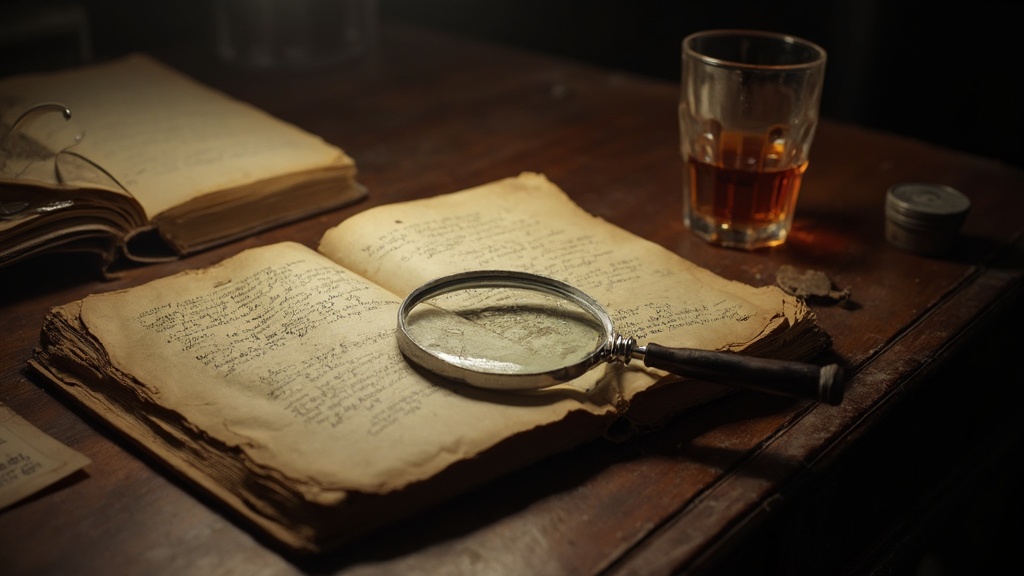
I reached for my silver-framed spectacles.
The Marriage Fraud
In rare book parlance, a "marriage" occurs when a dust jacket from one copy is paired with a book from another. Sometimes this is innocent—a jacketless book finds a compatible partner, both better preserved for the union. But the specimen before me told a different story. This was no benign alliance. This was misrepresentation. This was fraud.
The bibliography never lies. But people do.
The Forensic Examination: Six Tells
To detect a fraudulent marriage, one must examine the jacket as a forensic pathologist examines a corpus delicti. Here are the six tells I teach my runners:
1. The Age Discrepancy
Hold the jacket to the light. Does the paper stock feel 20th-century? Modern facsimile jackets—even the sophisticated ones from specialty printers—use paper with different fiber composition. The genuine article has a slight translucency, a fragility that whispers of its age. Facsimiles often feel too substantial, too crisp.
2. The Back Panel Evidence
True first-state jackets carry specific "points" on their rear panels. For Gatsby, the first state lists no titles by the author—an anomaly corrected in subsequent printings. But more importantly, the back panel should show wear patterns that match the book's provenance. A jacket that lived through the Jazz Age carries foxing patterns, subtle stains from library shelves or attics. A married jacket tells no consistent story with its book.
3. The Spine Alignment
This is where most marriages betray themselves. Lay the book flat and examine the spine hinge. Does the jacket's natural crease align with the book's actual spine width? A jacket from a finer copy (one with tight binding) will show excess material when fitted to a reading copy. Conversely, a tight jacket on a loose book strains at the folds.
(referring, of course, to the "rubbing" patterns that develop when mismatched jackets slide against boards)
4. The Color Chemistry
Original dust jackets age predictably. The ubiquitous "Cries of Jazz Age" cover art on Gatsby—Cugat's weeping eyes—fades in specific ways. Genuine specimens show yellowing in the white areas first, followed by a slight darkening of the blue tones. Modern reproductions often get the color saturation wrong, or they attempt to simulate age with chemical washes that smell distinctly of acetone rather than the sweet, musty perfume of authentic paper decay.
5. The Terminal Advertisements
Flip to the jacket's interior flaps. Genuine first states list specific forthcoming titles and terminal advertisements dated to the printing. But beyond the bibliographic points, examine the fold integrity. A jacket that has lived its life on this specific book shows crease patterns that mirror the binding's natural opening signature. A married jacket often sits slightly off-center, betraying its foreign origins.
6. The Price Clip Deception
Many fraudulent marriages involve "clipped" jackets—those missing their original price information. A sophisticated dealer can marry a jacket from a book club edition (often nearly identical to first trade editions) to a genuine first edition book, clip the price, and double his money. Always examine the clip pattern. Genuine clips show age-consistent yellowing at the exposed edge. Fresh clips reveal white paper stock beneath.
The Moral Dimension
I returned the Gatsby to its seller with a polite note. The jacket, I explained, was not merely married—it was bigamous, having been paired with at least two different books in its dubious career.
Some collectors ask: "If the jacket looks right, why does it matter?"
It matters because bibliographic integrity is the only currency we have. A book is a physical witness to history, and its dust jacket is its birth certificate. To falsify that provenance is to commit an act of archival violence. We are temporary curators, not confidence men.
A married copy, honestly disclosed, is a curiosity. A married copy, misrepresented as "original," is a lie.
The Verdict
The specimen before me that Tuesday? A sophisticated deception, but not a perfect one. The jacket's color chemistry was five years too young, and the spine creases suggested a book significantly narrower than the one they currently adorned.
Verdict: Shelf-filler with a fraudulent pedigree.
Trust the points. Trust the paper. And when in doubt, trust your nose.
Have you encountered a suspicious marriage in the wild? Share your forensic findings in the comments. The bibliography demands accuracy.