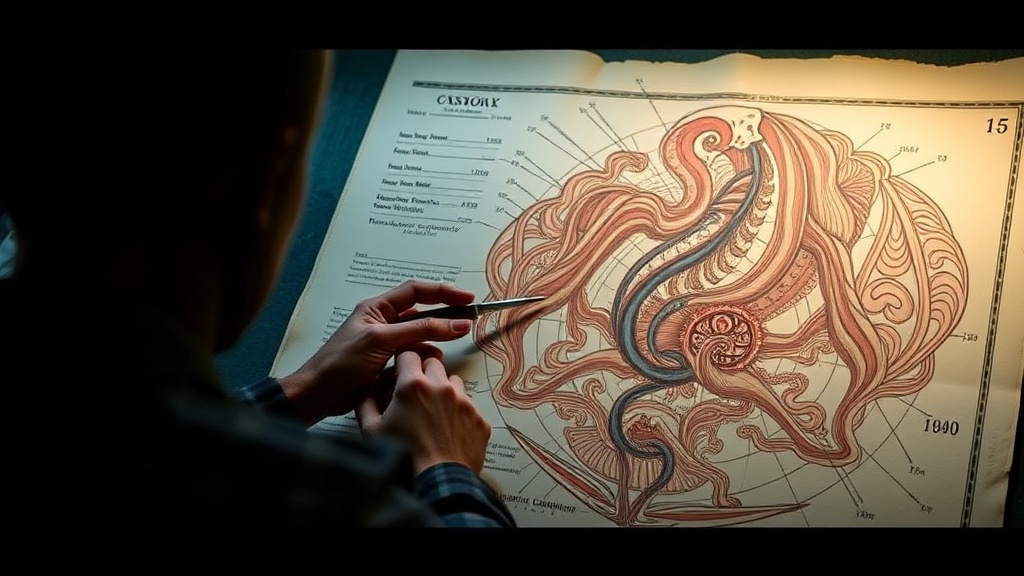
The Anatomy of a Rare Print: Identifying Material Evidence

This guide examines the physical components of a first edition—the paper, the ink, and the binding—to help you identify the specific material markers that distinguish a true first state from a later impression. You'll learn to look past the title page and scrutinize the physical architecture of the book to verify its authenticity and production history.
Collecting isn't just about the name on the spine; it's about the physical evidence left behind by the printer and the binder. When you hold a book, you're holding a sequence of mechanical decisions. Every choice—the weight of the paper, the depth of the type impression, the way the glue holds the spine—tells a story of a specific moment in time. If you're looking for a first edition, you can't just rely on a bibliography. You have to perform a forensic audit of the object itself.
What defines the physical structure of a first edition?
A first edition is a snapshot of a book's initial existence. To identify it, you must look for the collation—the specific arrangement of pages, signatures, and leaves. A signature is a group of pages printed on the same large sheet and folded together. If a book has a signature that is missing or has an incorrect number of leaves, it may be a later state or even a counterfeit. You're looking for the original intent of the printer.
The paper itself is a primary witness. Before the mid-19th century, paper was often handmade from linen or cotton rags. This produces a distinct texture and a way of aging that machine-made wood pulp simply cannot mimic. If you're hunting for a pre-industrial volume, look for the deckle edge—the ragged, uneven edge of the paper that occurs when the paper is still wet during the manufacturing process. This isn't a defect; it's a signature of the era's technology. For more on the history of paper manufacturing, the British Library offers excellent resources on the evolution of substrates.
How can ink and type identify a specific printing state?
Ink is more than just pigment; it's a chemical footprint. In the era of letterpress printing, the pressure of the metal type against the paper created a subtle indentation. This is known as the "bite." When you run your finger (carefully!) across the page, you can often feel the depth of the type. A later offset printing will feel much flatter. This lack of depth is a dead giveaway that you're looking at a later, cheaper production.
Beyond that, the color and consistency of the ink can change between the first strike and subsequent printings. As a printer's ink reservoir depletes or as they switch batches, the saturation of the text can shift. This is why a "first state" might look slightly different from a "second state," even if the text is identical. You are looking for the specific ink density that the printer originally intended for the first run. It's a game of microscopic nuances. If the ink looks too perfect, too uniform, or too digital, you've likely wandered into the territory of a modern reproduction.
Why does the binding matter for collectors?
The binding is the book's skin, and it can tell you exactly how the book was marketed to the public. In the 19th century, many books were sold in publisher's cloth—meaning the buyer chose their own leather or binding after purchase. A true first edition often features the original cloth binding as intended by the publisher. If a book is bound in a high-quality leather, but the bibliography says it was originally sold in green cloth, you're looking at a later binding. While it might look beautiful, it changes the book's value and historical context.
| Feature | First State Characteristics | Later State/Reproduction |
|---|---|---|
| Paper | Handmade, deckle edge, heavy grain | Machine-made, smooth, uniform |
| Type Impression | Visible "bite" or indentation | Flat, uniform, digital-looking |
| Binding | Original publisher's cloth or boards | Custom leather or modern binding |
| Ink | Variable saturation, deep impression | Uniform, shallow, or printed-on-top |
I often tell my clients that a book is a crime scene. The binding is the exterior, the paper is the foundation, and the ink is the fingerprint. If any of these elements don't align with the documented history of the work, the "case" falls apart. You might find a book that says "First Edition" on the title page, but if the paper is a modern wood-pulp stock and the binding is a modern hardcover, the title page is lying to you. The physical reality of the object is the only truth that matters.
When you're examining a potential find, use a jeweler's loupe. This isn't just for gems; it's for seeing the way ink sits on the fibers of the paper. Under magnification, you can see the way the ink bleeds into the grain. This is the difference between a printed image and a pressed one. It's the difference between a ghost and a physical-being. If you want to see examples of high-quality archival materials, the Library of Congress digital collections are a gold standard for comparison.
Don't be afraid to question the object. If the spine feels too stiff or the paper feels too brittle for its supposed age, investigate. A book's physical properties are its most honest attributes. The text can be edited, the title can be changed, but the way a piece of paper reacts to light and touch is much harder to fake. Treat every volume as a witness that has something to hide, and you'll eventually learn to read the evidence.