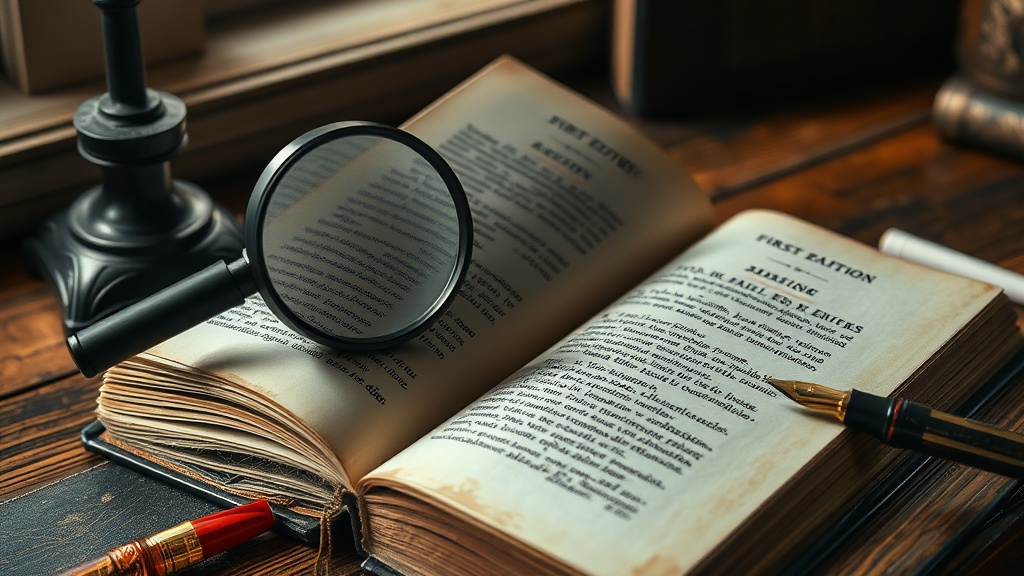
Preserving First Editions: A Forensic Care Checklist

Ever opened a beloved first edition only to find the pages yellowed or the dust jacket cracked? That gut‑punch feeling is why you need a detective’s eye on every shelf.
First editions aren’t just books; they’re witnesses to literary history. Treating them like any other paper will let the story slip away. Below is a forensic‑grade checklist that keeps your copies in museum condition without the hefty price tag of a professional conservator.
How often should I inspect my first edition for hidden damage?
Regular inspections catch problems before they become irreversible. I schedule a quick visual scan every three months and a deeper review twice a year. During the quick scan, look for:
- Discoloration or spotting on the paper surface.
- Loose threads or frayed stitching on the binding.
- Any new scent of mildew (the “musty nose” that signals moisture).
For the deeper review, pull the book from its case, open it fully, and compare the paper quality and gutter margin wear against your baseline notes.
What environment protects a first edition best?
Think of your collection as a delicate artifact. The ideal micro‑climate is:
- Temperature: 65‑70°F (18‑21°C)
- Relative humidity: 30‑45%
- Stable, low light — no direct sunlight; fluorescent bulbs should be UV‑filtered.
Invest in a digital hygrometer/thermometer combo. I keep mine on a small shelf next to the books so I can spot a sudden spike before it harms the fibers.
How can I safely clean a dust jacket without ruining it?
Dust jackets are the most common source of fraud (see my guide on restored jackets), so treat them with the same caution you’d give a priceless painting.
- Gentle brush: Use a soft, natural‑hair brush to sweep away surface dust. Move in one direction to avoid dragging fibers.
- Micro‑vacuum: If you have a low‑suction hand‑held vacuum with a brush attachment, hover a few inches above the jacket and skim.
- Spot cleaning: Only if a stain is visible. Lightly dampen a cotton swab with distilled water, test on an inconspicuous corner, then dab the spot. Never saturate.
Never use paper towels, solvents, or abrasive cloths — they’ll lift the coating and expose the jacket to future wear.
Which storage methods prevent binding wear and paper degradation?
My go‑to storage combo mirrors museum practice but stays affordable:
- Acid‑free archival boxes: Store books upright, spine out, with a spacer if the spine is fragile.
- Custom book cradles: For oversized or delicate volumes, a cradle supports the covers and reduces stress on the hinge.
- Silica gel packets: Keep humidity in check inside each box; replace every 6‑12 months.
- Separate jackets from plates: If a first edition includes a separate dust jacket, store it in a clear, archival sleeve rather than folded inside the book.
These steps also help you avoid the dreaded “marriage copy” trap where the jacket belongs to a different edition (read more here).
When should I seek professional conservation?
Even the most diligent collector hits a wall. Call a conservator if you encounter any of these red flags:
- Extensive foxing (brown spots) that penetrates the paper (see my foxing guide).
- Structural damage to the spine that threatens collapse.
- Severe water damage — a wet page can warp and cause ink bleed.
Professional labs can de‑acidify paper, re‑line bindings, and perform controlled drying. While costly, the investment preserves both value and scholarship.
What quick fixes can I do at home to halt early moisture damage?
Moisture is the silent killer. If you smell that faint “musty” odor (I wrote a whole post about it), act fast:
- Move the book to a dry, well‑ventilated area immediately.
- Place a thin layer of silica gel packets on either side of the volume — do not let the gel touch the pages.
- Leave the book open slightly (about 10°) for 24‑48 hours to allow residual humidity to evaporate.
If the odor persists after 48 hours, consider a professional drying service.
How do I create a forensic inventory of my collection?
A detailed inventory is the backbone of any preservation plan. I use a simple spreadsheet with these columns:
- Title / Author
- Edition details (year, publisher, imprint)
- Condition notes (paper, jacket, binding)
- Location (box, shelf, cradle)
- Last inspection date
- Photographic reference — a high‑resolution photo of the title page and dust jacket.
Cross‑reference this inventory with the shelf‑check checklist to spot any missing or moved items.
Takeaway
Preserving first editions isn’t about locking them away in a vault; it’s a hands‑on, forensic practice that blends detective work with conservation science. Follow this checklist, stay vigilant, and your books will keep telling their stories for generations.
Related Reading
- How to Assess Paper Quality in First Editions — a deep dive into paper fibers and aging.
- The Invisible Mend: Detect Restored Dust Jackets — spot fraud before you buy.
- The Smell No One Wants to Ignore — early warning signs of moisture.
- Shelving the Witness: A Forensic Shelf Check — audit your shelves like a crime scene.