NYIABF 2026: A Forensic First‑Edition Buying Guide

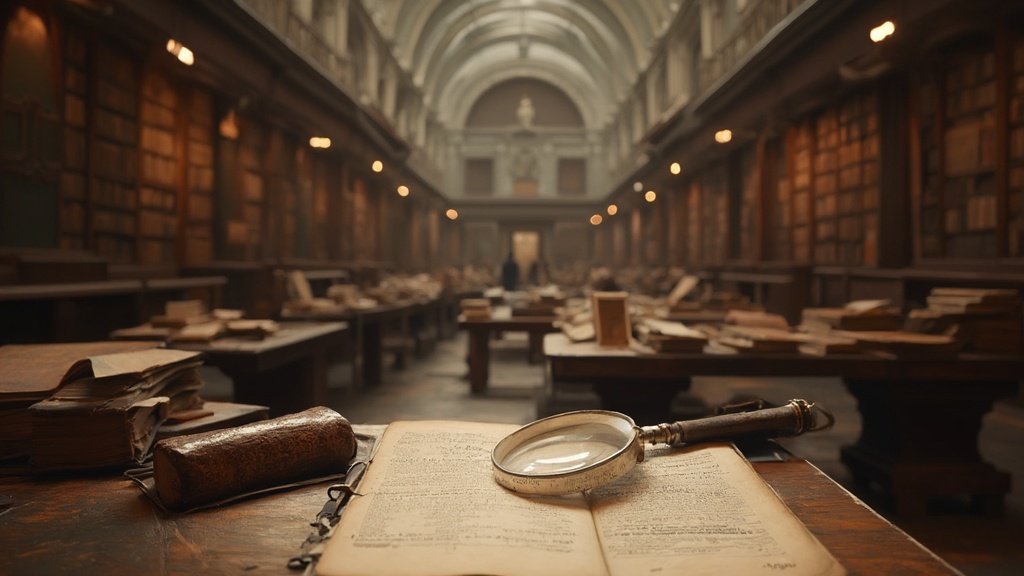
Are you gearing up for the New York International Antiquarian Book Fair (NYIABF) 2026? As the doors swing open on April 30, collectors flood the Armory with a blend of anticipation and nerves. Imagine yourself walking the aisles, notebook in hand, magnifying glass at the ready, hunting for that elusive first‑edition witness. This guide walks you through the forensic steps to turn that hunt into a confident acquisition.
What makes NYIABF the ultimate hunting ground for first editions?
NYIABF is more than a marketplace; it’s a curated ecosystem where reputable dealers, estate sellers, and private collectors converge. The fair’s reputation for meticulous vetting means you’ll encounter genuine first‑state copies alongside sophisticated forgeries. The stakes are high, but so is the potential reward.
How should I prep before stepping onto the fair floor?
- Research the exhibitor list. Identify dealers specializing in your target authors—Julian Vane’s paper‑quality guide is a great starting point.
- Bring a portable magnifier and a light source. Subtle details like ink depth and paper watermark are easier to see with proper lighting.
- Set a budget and stick to it. Remember, a pristine first edition can command six‑figure sums; factor in authentication costs.
Which forensic clues should I examine on the spot?
When you’re faced with a potential first edition, run through this checklist:
- Title page and imprint date. Verify the year matches the first printing—cross‑reference the copyright page clues.
- Paper quality. Use the tactile test from our paper‑quality guide. First state paper often feels heavier and has a distinct fiber pattern.
- Binding wear. The gutter margin can reveal if a book has been rebound—a red flag for first state copies.
- Dust jacket condition. Look for the "invisible mend"—tiny tape or glue patches that may indicate a replacement jacket (read more).
- Odor detection. A faint paper smell can signal early moisture damage (see the guide).
What are the most common traps to avoid at NYIABF?
Even seasoned hunters can slip up. Here are the pitfalls that have tripped up many collectors:
- Book‑club editions masquerading as first state. The seven tells are a quick litmus test.
- Signed copies with forged signatures. Examine the ink flow and compare with known authentic signatures—see the autograph trap analysis.
- “Married copies” where the jacket belongs to a different edition. Our marriage‑copy guide explains how to spot mismatched jackets.
How can I verify authenticity after the fair?
Post‑fair verification is crucial. Send high‑resolution images to a trusted bibliographic consultant—Julian Vane offers forensic analysis services for a fee. Alternatively, compare your copy against the dealer’s provenance documents and cross‑check with the Ada Lovelace algorithm database for early print markers.
Where can I find the NYIABF schedule and exhibitor contacts?
The official fair website lists the full program, including panel discussions on provenance and a map of dealer booths. Bookmark the ABAA site for the latest updates.
Takeaway: How to walk away with a genuine first edition
Approach each stall with a detective’s mindset: prepare, observe, interrogate, and verify. Armed with the forensic tools above, you’ll leave NYIABF 2026 not just with a new book, but with a verified piece of literary history.
Related Reading
- The Invisible Mend: Spotting Restored Dust Jackets — A deep dive into jacket restoration tricks.
- The Gutter Margin: What Binding Wear Tells You — Learn how binding clues betray a rebind.
- The Smell No One Wants to Ignore — Detect early moisture damage before it spreads.