How to Identify a True First Edition: A Forensic Field Guide for Serious Scouts

The specimen before us is lying. Not maliciously—books rarely do—but through omission. A missing number line. A clipped jacket whispering a different price. The untrained eye sees "old." The trained one sees evidence.
This is your briefing. Not a casual overview, but a working field guide—the kind you carry into estate basements and dim auction previews, where truth hides in gutters and glue.

The Anatomy of a First Edition
A "first edition" is not a single thing. It is a moment—a convergence of typesetting, printing, and distribution. The confusion begins because publishers muddy the terminology. What you are actually hunting is a first edition, first printing, first state.
Let’s dissect it:
- Edition: The initial setting of type.
- Printing: Each batch run from that type.
- State: Variations within the same printing (corrected errors, reset pages).
The market does not reward ambiguity. A second printing from the same plates is not the same animal. She may look identical at a glance—but the bibliography never lies.
The Copyright Page: Where the Truth Begins
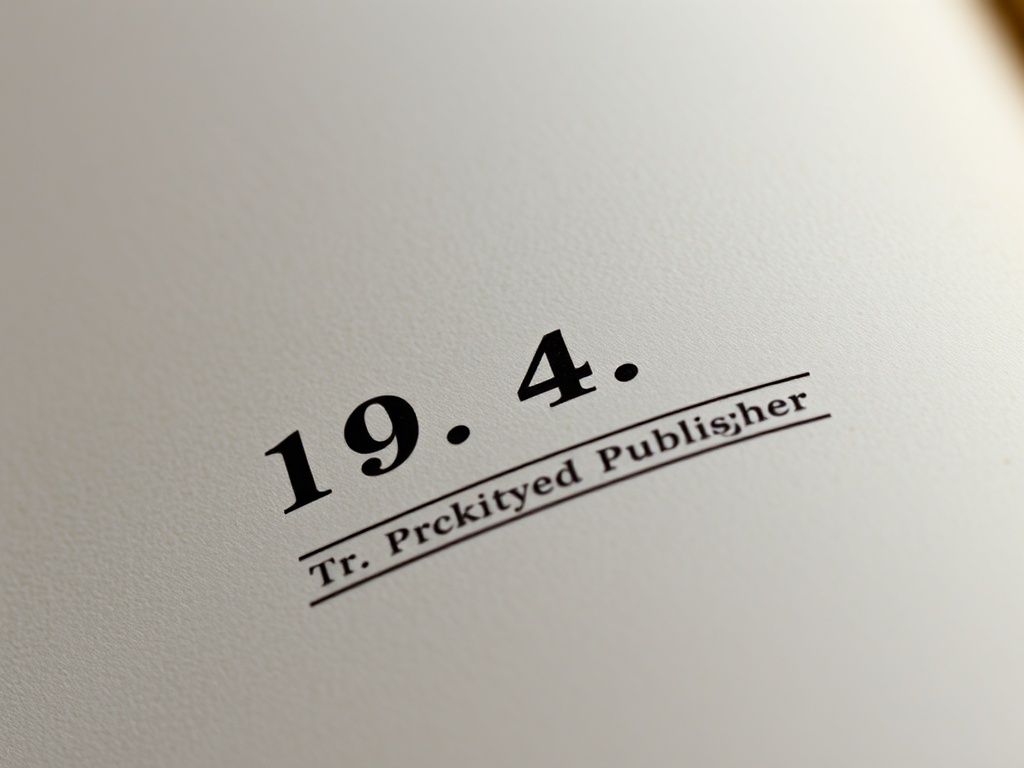
The copyright page is your crime scene. Most modern publishers leave behind a trail—if you know how to read it.
The Number Line
This is the most common tell. A descending sequence such as 10 9 8 7 6 5 4 3 2 1 indicates a first printing. Remove the "1," and you’re already in later territory.
But beware—publishers are not consistent. Some reverse the order. Others omit entirely. You are not reading numbers; you are reading intent.
Statements of Edition
"First Edition" printed plainly on the page is helpful—but not definitive. Some publishers (Random House, for example) state it only on the first printing. Others reuse the statement across subsequent runs.
Context matters. Always corroborate with other points.

The Dust Jacket: The Silent Witness
The jacket is not decoration. It is evidence—and often more valuable than the book itself.
Start with the price on the front flap. If it’s clipped, you’ve lost a primary data point. If it’s intact, verify it against known first-state prices.
Look for:
- Publisher blurbs that changed between printings
- Author bio variations
- Typography shifts in the spine
A mismatch between book and jacket—a "marriage"—is a quiet fraud. Even if both pieces are genuine, they are not born together. And that matters.
Binding and Boards: The Physical Record
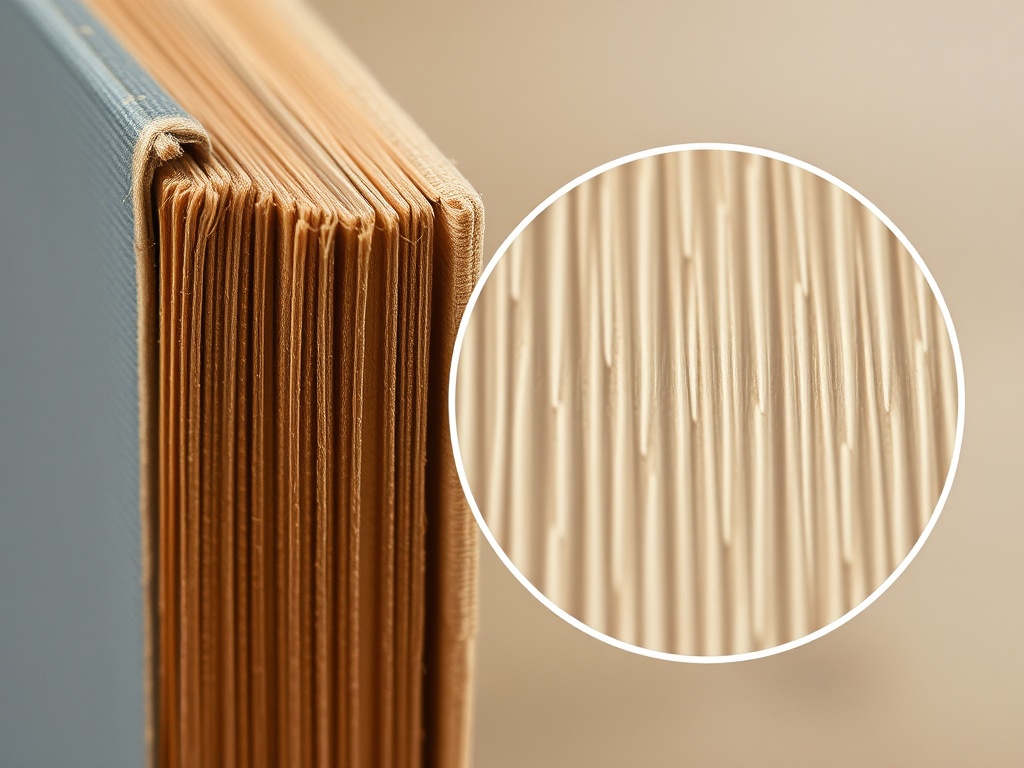
Bindings change. Subtly, sometimes invisibly to the casual observer—but they change.
Cloth color variations, stamping depth, even the feel of the board stock can indicate a later issue. Early printings often carry sharper impressions; later ones soften as plates wear.
This is where experience—or comparison—becomes critical. If possible, handle multiple copies. The differences will reveal themselves like fingerprints.
Points of Issue: The Smoking Gun
This is where the hunt becomes precise.
A "point" is a specific, documented marker that identifies a first state. It may be a typo, a misaligned letter, or a pagination error.
Examples include:
- A misspelled word corrected in later states
- A dropped letter in a specific line
- An error in the table of contents
These are not quirks—they are signatures. If the point is absent, you are not holding the earliest state. No amount of wishful thinking changes that.

The Olfactory Test (Yes, Really)
You laugh, perhaps. Don’t.
A book carries its history in scent. "Basement musk" suggests long storage—often harmless. "Active mold" is a death sentence. Chemical sharpness may indicate cleaning or restoration.
This is not romanticism. It is data. Your nose will tell you what the eye cannot.
Common Traps for the Untrained Eye
Let’s catalogue the usual suspects:
- Book Club Editions: Often identical in appearance but lacking a price on the jacket or marked subtly on the back.
- Facsimile Jackets: Too crisp, too perfect. They lack the honest wear of time.
- Ex-Library Copies: Stamps, tape, scars. These are not collectible—they are mutilated.
Each of these will try to pass as something they are not. Your job is not to trust—it is to verify.

Field Method: How to Evaluate a Book in 60 Seconds
In the wild, you rarely have the luxury of time. Here’s the sequence:
- Check the jacket price and condition
- Flip to the copyright page—scan for number line or statement
- Look for known points of issue (memorize or carry notes)
- Assess binding and overall condition
- Smell the book (quietly—no theatrics)
This process becomes instinct. Hesitation loses books.
Preservation: Your Responsibility as Custodian
You are not the owner. You are the current steward.
Store books upright, away from sunlight. Use archival Mylar for jackets. Avoid humidity. Never tape repairs. Ever.
The goal is not improvement—it is preservation. The scars of time are acceptable. New damage is not.
The Verdict
A true first edition is not declared—it is proven.
Every legitimate specimen will withstand scrutiny across multiple fronts: typography, jacket, binding, and documented points. Miss one, and the structure weakens.
The amateur asks, "Is it a first edition?" The professional asks, "What evidence supports that claim?"
Ask better questions. The answers are already in the paper.
Verdict: Cornerstone knowledge. Without this framework, you are guessing in the dark. With it, you begin to see.
Happy hunting.