
How to Authenticate a First Edition: A Forensic Field Guide for Serious Scouts

Case Study: The specimen before us sits quietly on a folding table at an estate sale—dust jacket intact, price clipped, the faint scent of attic cedar rising from the boards. The dealer says “first edition” with the confidence of a man who hasn’t looked past the title page. You, however, will. Because the truth is never on the surface. The truth is in the points.

Step 1: Start with the Title Page—But Don’t Trust It
The amateur begins and ends here. The professional begins here and immediately grows suspicious.
Yes, the title page may declare “First Edition.” It may even include a proud publisher’s mark. But publishers lie—or rather, they obscure. Book clubs replicate. Later printings masquerade. Your job is to treat this page as a witness, not a verdict.
Look for:
- Publisher name and imprint consistency
- Date alignment between title and copyright pages
- Typography irregularities (a swapped font can signal a later state)
The tell is rarely in what’s printed—it’s in what’s missing.
Step 2: Interrogate the Copyright Page
This is where the specimen begins to speak plainly—if you know the language.
Modern publishers use number lines. Older houses relied on phrases, codes, or deliberate omissions. A true first printing will often show a complete number line (1 2 3 4 5...), or a specific statement such as “First Published” with no subsequent printings listed.
But beware:
- Missing numbers can indicate later printings
- “First Edition” can still mean a second or third printing within that edition
- Book club editions often mimic the layout but lack price codes or specific identifiers
(And yes, some publishers deliberately removed clarity to manage demand—Random House was particularly fond of this sleight of hand.)
Step 3: Examine the Dust Jacket Like a Crime Scene
The dust jacket is not decoration. It is evidence.
A first state jacket can be worth more than the book it protects. Conversely, a “marriage jacket” (one borrowed from another copy) is a lie dressed in Mylar.
What you’re looking for:
- Original price on the flap (clipped or intact)
- Correct blurbs and reviews for the publication moment
- Publisher codes or color variations unique to the first state
Run your finger along the folds. Look for unnatural sharpness (a sign of facsimile reproduction). Smell it. Basement musk is acceptable. Chemical brightness is not.
Step 4: Identify Known “Points of Issue”
This is where amateurs fall away.
Every serious collectible title has its tells—small, often accidental features that only appear in the earliest state. A misprinted word. A broken serif. A pagination error.
Examples (purely illustrative):
- A blunted “j” on page 155
- A missing period in a dedication
- Incorrect pagination in terminal advertisements
These are not defects. They are fingerprints.
You will need bibliographies, dealer catalogs, and—ideally—comparison copies. There is no shortcut here. This is the work.
Step 5: Assess the Binding and Materials
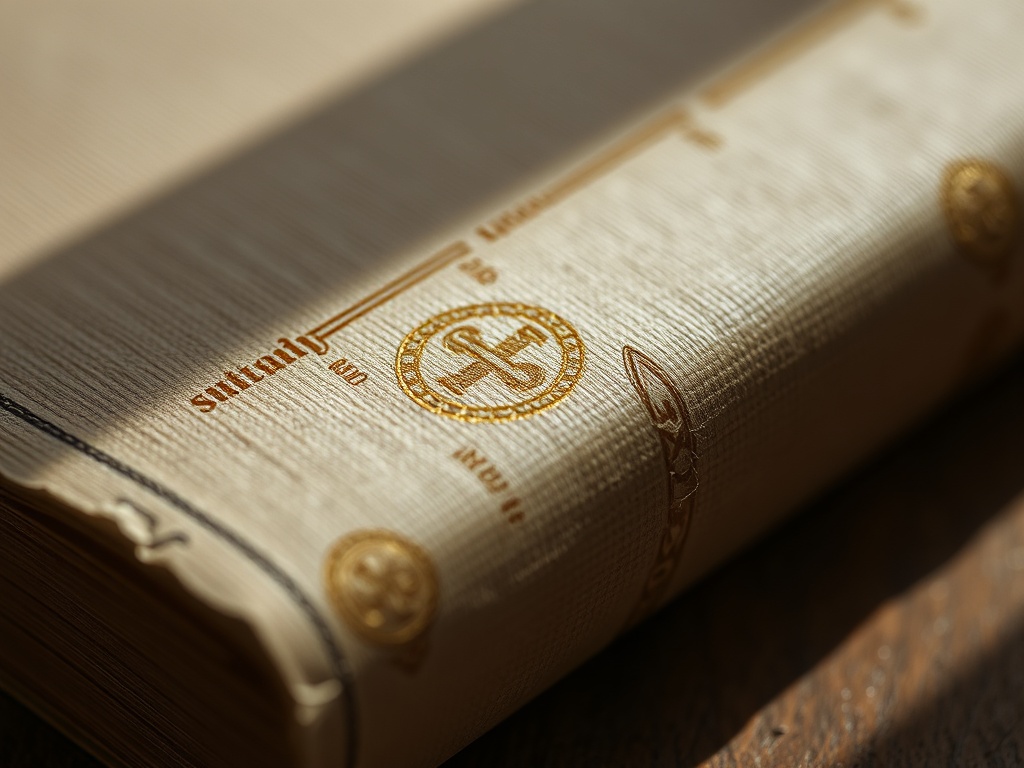
Paper, cloth, glue—the physical anatomy of the book tells a story that typography alone cannot.
Check:
- Cloth color and texture (publishers often changed this between printings)
- Spine stamping clarity
- Paper quality and aging patterns
A later printing may use cheaper stock. A book club edition often feels lighter—less substantial in the hand. Trust that instinct. The body knows what the eye misses.
Step 6: Detect the Impostors—Book Clubs and Facsimiles
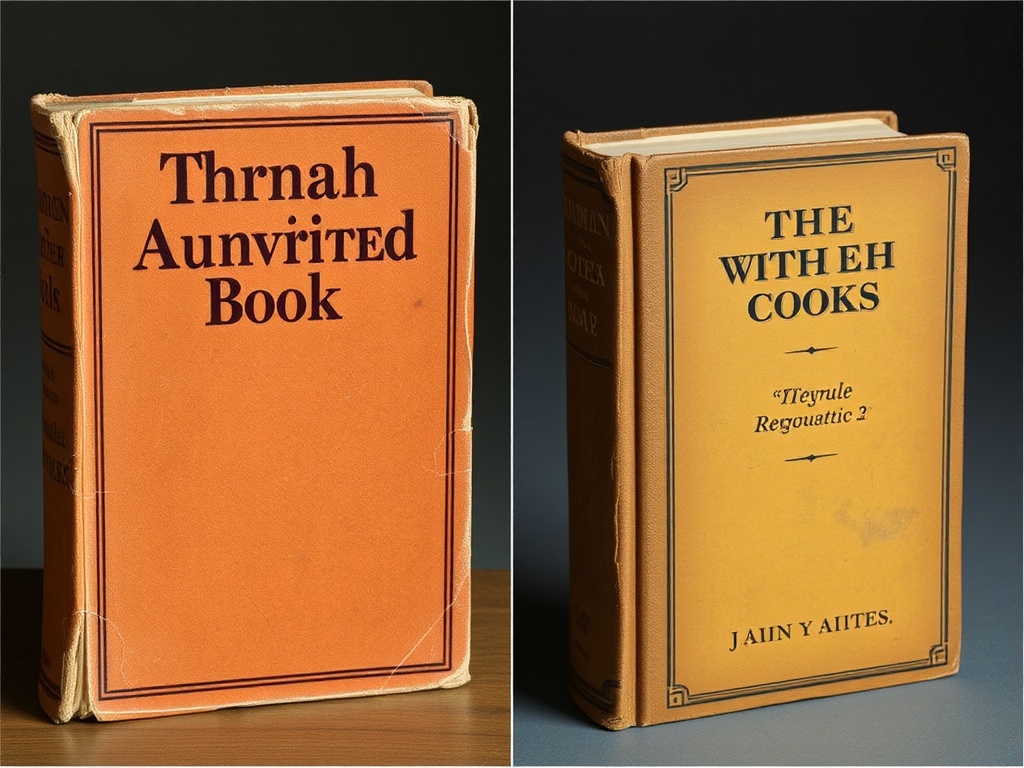
The most common trap is the book club edition: visually convincing, financially worthless.
Key signs:
- No price on the dust jacket
- A blind stamp or indentation on the rear board
- Slightly smaller dimensions than trade editions
Facsimile jackets are more insidious. They often look too clean, too bright, too perfect. Compare paper thickness. Examine fold wear. Originals age unevenly; copies age not at all.
Step 7: Condition Is Not a Footnote—It Is the Verdict
A true first edition in poor condition is a compromised witness.
You are looking for:
- Unclipped dust jacket (preferably)
- Minimal foxing
- Tight hinges and clean boards
But here’s the nuance: a slightly worn original jacket is superior to a pristine replacement. Always. Scars are honest. Replacements are lies.

Step 8: Build Your Own Bibliographic Memory
No guide—not even this one—can replace experience.
Track what you see. Compare copies. Handle as many specimens as possible. Over time, you will develop what I can only describe as a sixth sense—a quiet recognition of authenticity.
(I keep mine in a battered Moleskine. You’ll find your own system, though I recommend something analog. Digital notes lack weight—both literal and intellectual.)
The Verdict
The difference between a $50 curiosity and a $5,000 cornerstone is rarely obvious. It hides in the margins, the fibers, the smallest deviations from the expected form.
You are not buying a book. You are cross-examining a witness.
The bibliography never lies.
Verdict: Master these steps and you move from collector to investigator. Ignore them, and you remain at the mercy of anyone who knows just a little more than you do.
Happy hunting.
Steps
- 1
Start with the Title Page
Examine publisher and date consistency but remain skeptical.
- 2
Interrogate the Copyright Page
Analyze number lines and publication statements.
- 3
Examine the Dust Jacket
Verify price, blurbs, and authenticity.
- 4
Identify Points of Issue
Look for known misprints and unique markers.
- 5
Assess Binding and Materials
Check cloth, spine, and paper quality.
- 6
Detect Book Club Editions
Spot size differences and missing price marks.
- 7
Evaluate Condition
Prioritize original components and honest wear.
- 8
Build Bibliographic Memory
Develop experience through comparison and documentation.