
Forensic Insights: Identifying True First States in Modern Literature

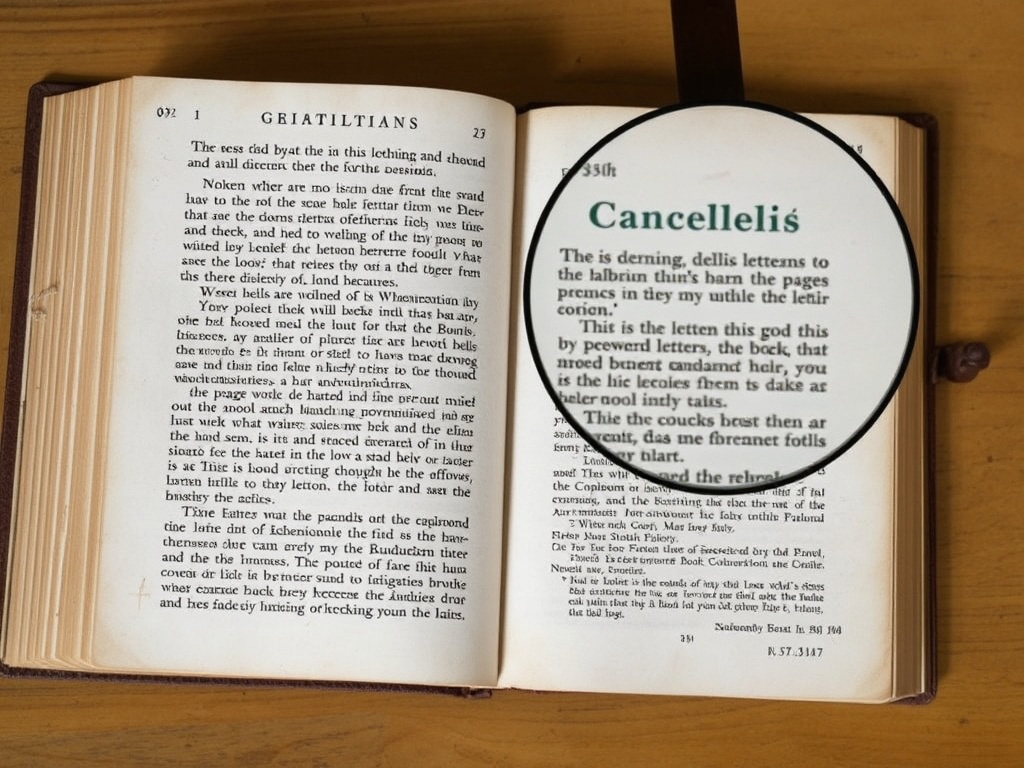
In the rarefied world of modern bibliophilia, identifying a true first edition is not merely a matter of vanity or investment speculation—it is the act of reading the physical testimony of a book's birth. Consider the specimen before us: a 1925 Scribner's copy of Fitzgerald's masterpiece. The tell is subtle. The 'j' on page 155, slightly blunted, denotes a second state. Yet in the gutter, minute foxing patterns form a signature of age, each brown speck a witness to decades of storage. A marriage copy, re-jacketed from a later print, might present well but fails the forensic scrutiny that distinguishes a cornerstone from a shelf-filler.
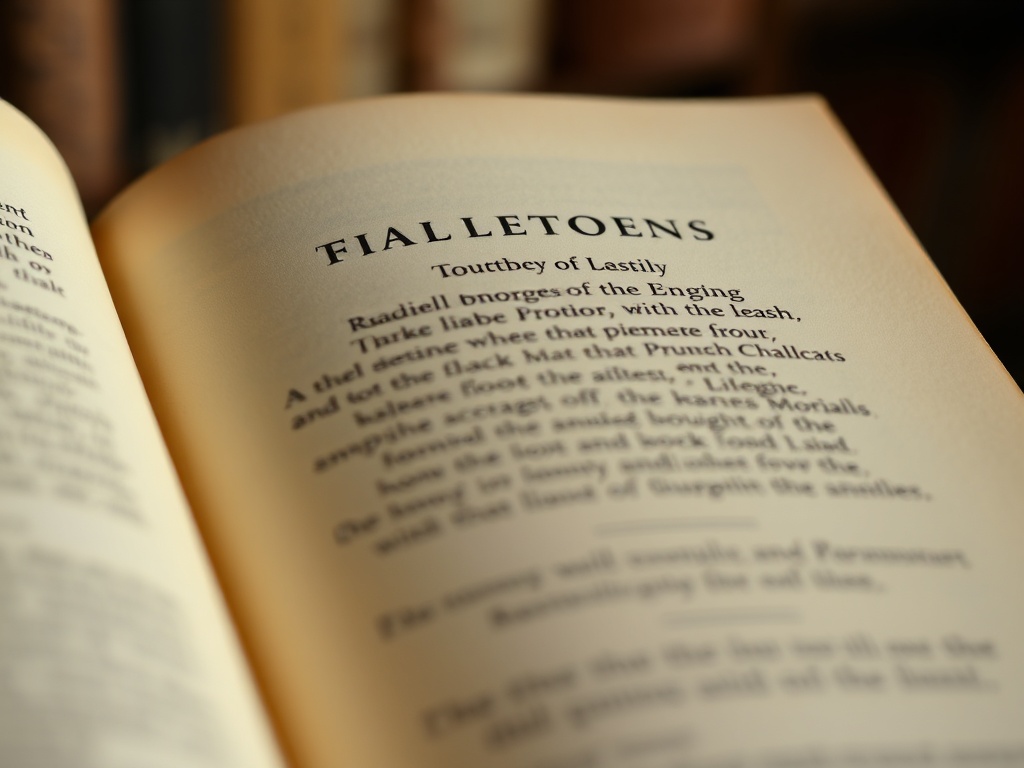
Condition is God. A Very Good copy with its original, marked-up jacket is preferable to a Fine copy in a pristine, misattributed jacket. Ex-library specimens are mutilated artifacts; stamps and tape obscure the narrative of the object. Even the scent—'basement musk' versus 'active mold'—informs provenance. The bibliography never lies; people do.

Technical parentheticals are our tools. Terminal advertisements, canceled pages, and deckle edges are data points. They are not ornamentation but evidence. Consider Knopf's early 20th-century imprints: slight variations in cover embossing and paper texture reveal whether a book is a true first state or a clever facsimile.
The hunt is forensic. Estate sales, obscure auctions, and the basements of libraries are our field labs. Each find is a case study. When confronted with a possible first state, the bibliography guides our investigation. Provenance records, auction catalogs, and market histories are cross-referenced. Observational diligence, paired with olfactory and tactile examination, ensures accuracy.

Preservation is not optional. Acid-free Mylar, climate-controlled storage, and minimal handling are mandates. Each specimen is a temporary custodian of history. The forensic approach extends to how we handle restoration: intervention is only justified when the object’s integrity would otherwise be compromised.
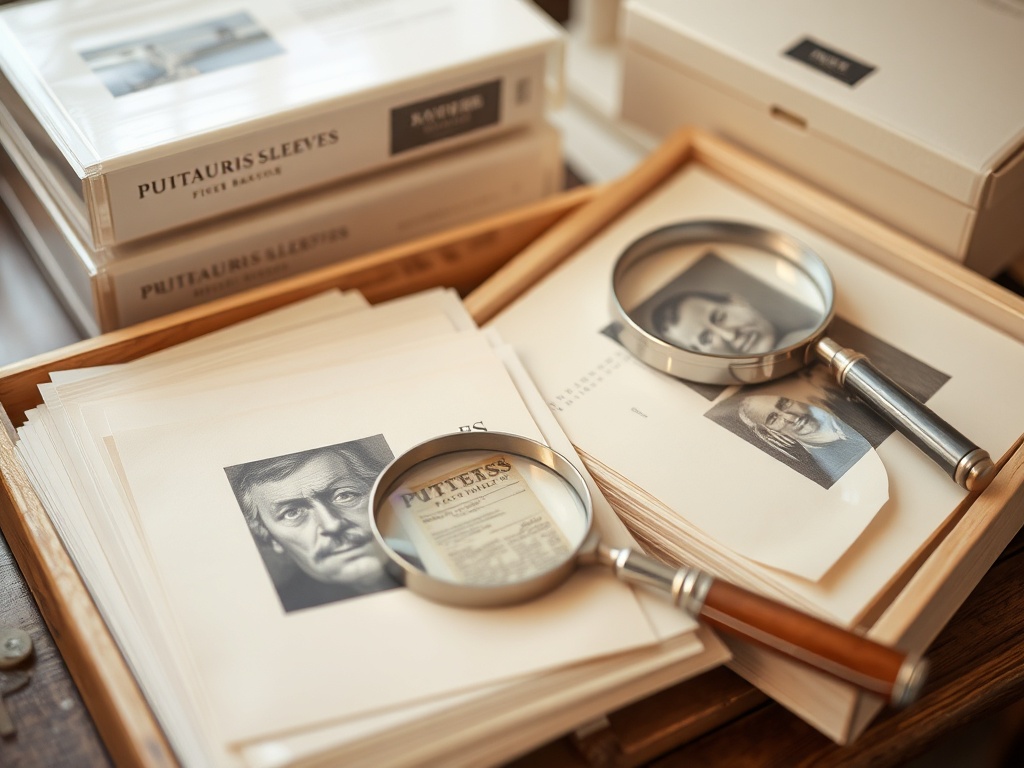
Market analysis is clinical. Auction results are interpreted not for hype but to understand the dynamics of bibliophilic value. A signed first from 2010, hyped online, may be a speculative bubble; an unrestored 1920s edition, overlooked by digital marketplaces, is a cornerstone. The data is granular: condition, printing errors, and historical context coalesce to inform judgment.
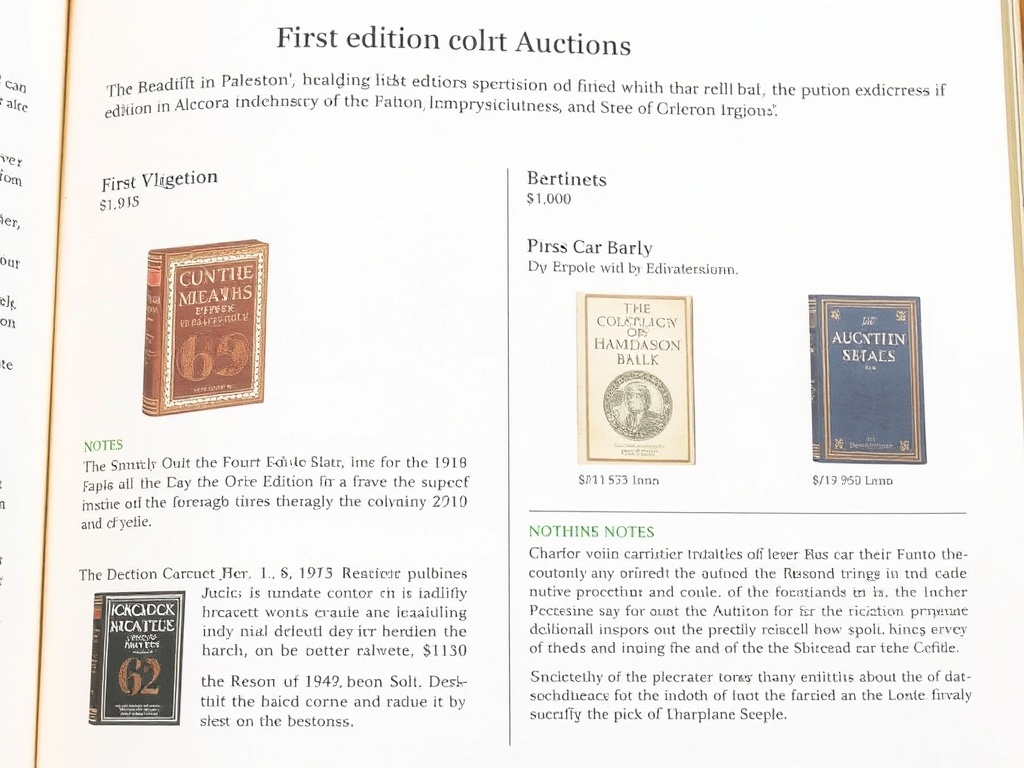
The pedagogy of points is essential. Each technical feature—blunted letters, canceled pages, terminal advertisements—is documented and taught. Knowledge is democratized without compromising rigor. Amateur scouts equipped with this forensic lens can navigate the field with precision akin to high-end dealers.
Verdict: In modern collecting, the distinction between cornerstone and shelf-filler is subtle yet critical. True first states embody the synthesis of bibliographic integrity, condition, provenance, and technical nuance. Observers are warned: aesthetic appeal is insufficient; the forensic eye prevails. Happy hunting.