
7 Rare Modern First Editions Every Collector Should Examine Closely

The Great Gatsby, 1925
Identify blunted 'j' and original dust jacket condition
A Farewell to Arms, Hemingway, 1929
Spot terminal advertisements and deckle edges
Tender Is the Night, Fitzgerald, 1934
Detect offset printing marks on page 67
To the Lighthouse, Woolf, 1927
Assess deckle edges and typographical alignment
The Waste Land, Eliot, 1922
Check publisher codes and binding embossing
Ulysses, Joyce, 1922 Paris Edition
Inspect terminal adverts and misnumbered pages
Sanctuary, Faulkner, 1931
Examine first state binding and dust jacket integrity
In the forensic pursuit of modern first editions, each specimen tells a story. She reveals her birth date, her printing errors, the subtle blunting of a serif, and the scent of time preserved in rag paper. Today, we examine seven modern first editions that demand the attention of the serious scout.

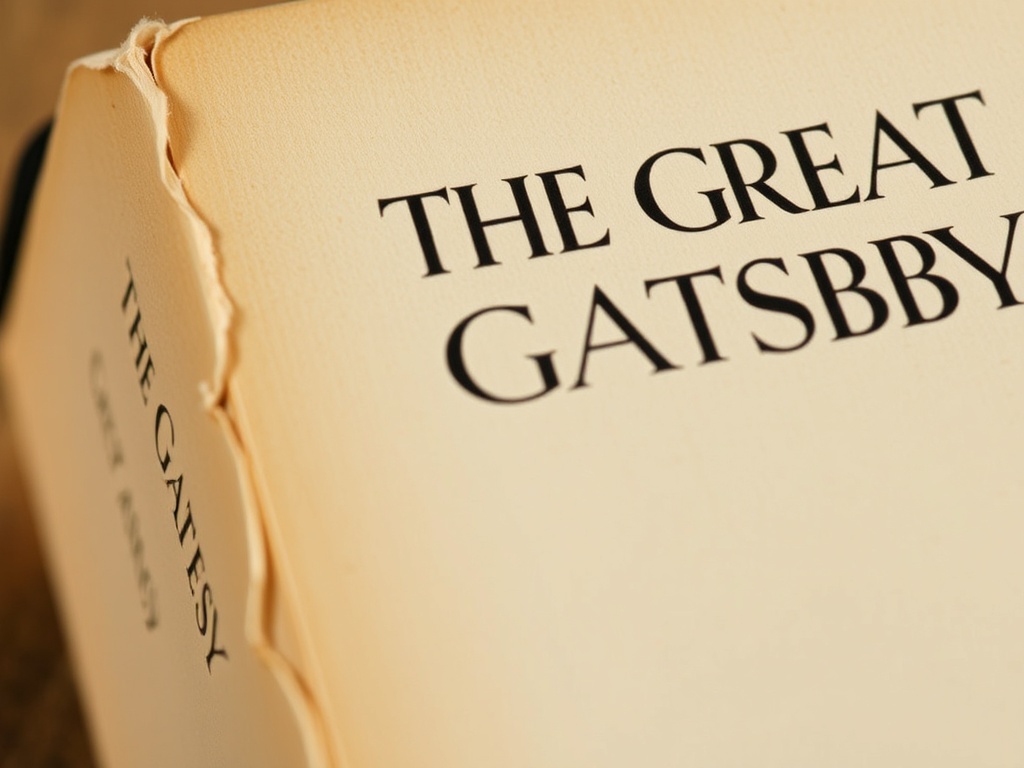
1. The 1925 Scribner's Copy of The Great Gatsby
She is often misidentified. The tell is in the gutter and the terminal advertisements. A truly fine copy exhibits the slightly blunted 'j' on page 155. Condition is paramount; a Very Good copy with its original dust jacket is preferable to a marriage copy. Examine the dust jacket folds and foxing patterns—they are fingerprints of her origin.
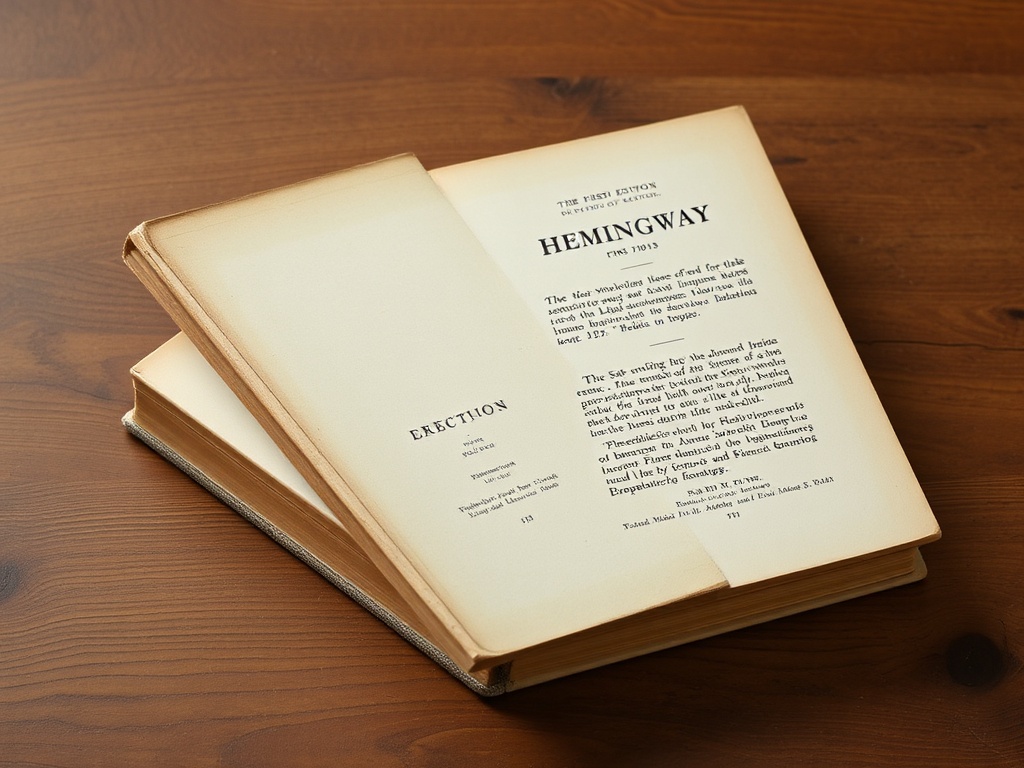
2. Ernest Hemingway’s First State of A Farewell to Arms (1929)
Terminal advertisements and deckle edges are your friend. Smell the page ends; basement musk is acceptable, active mold is lethal. The original Scribner's jacket is fragile; note tears along the folds. A rare find indeed, she is a specimen that separates a true collector from the casual browser.
3. F. Scott Fitzgerald’s Tender Is the Night (1934)
Her blunted serifs and subtle offset printing marks tell the tale. The bibliography never lies: a subtle offset on page 67 signals a first state. Examine carefully for ex-library stamps; a mutilated copy is a false positive. Only the unmolested, unrestored copy holds her provenance.

4. Virginia Woolf’s To the Lighthouse (1927)
The first edition exhibits slightly rough deckle edges and an untrimmed page block. She smells of the attic, not the basement. Jacket design subtleties and typographical alignment are your primary clues. A corner crease or trimmed edge can compromise value irreversibly.

5. T.S. Eliot’s The Waste Land (1922)
Original imprint and publisher codes matter. The signature typeface spacing and original binding embossing are diagnostic. Even a subtle color shift in the cover cloth can indicate a second state. Handle with gloves; she will not forgive careless fingers.
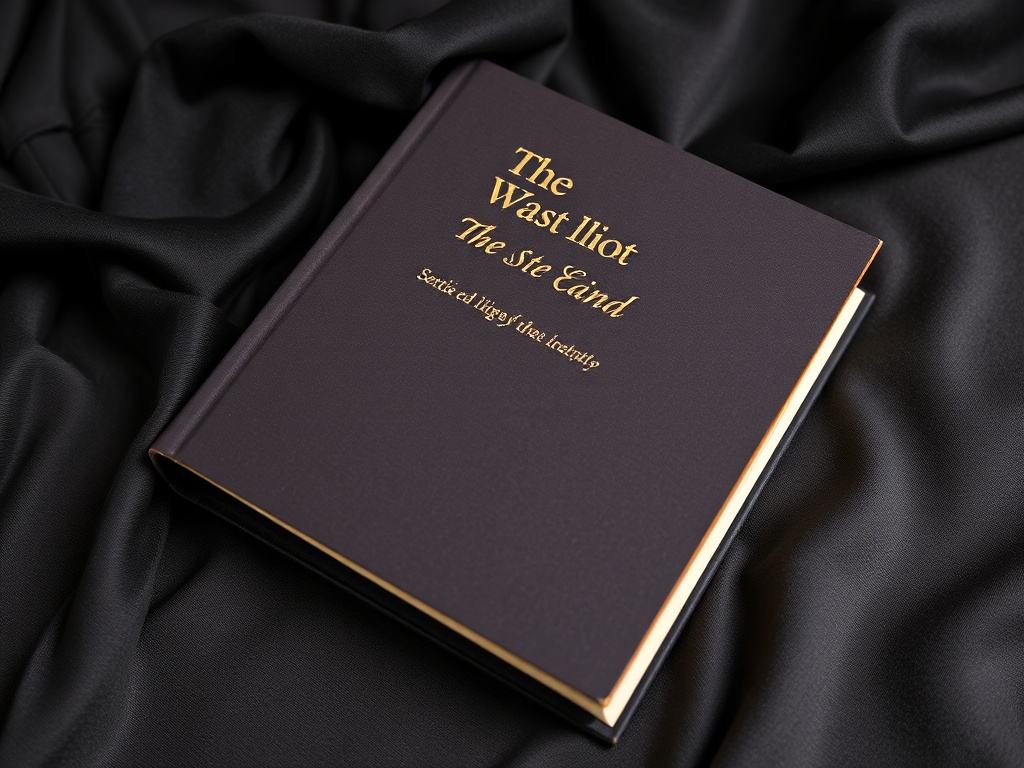
6. James Joyce’s Ulysses (1922, Paris Edition)
Known for his complex typesetting, Joyce's Paris edition is a minefield for the unwary. Terminal adverts, page misnumbering, and signature errors are all telling. A meticulous inspection with a loupe is advised. Provenance sheets in original binding enhance both value and historical insight.

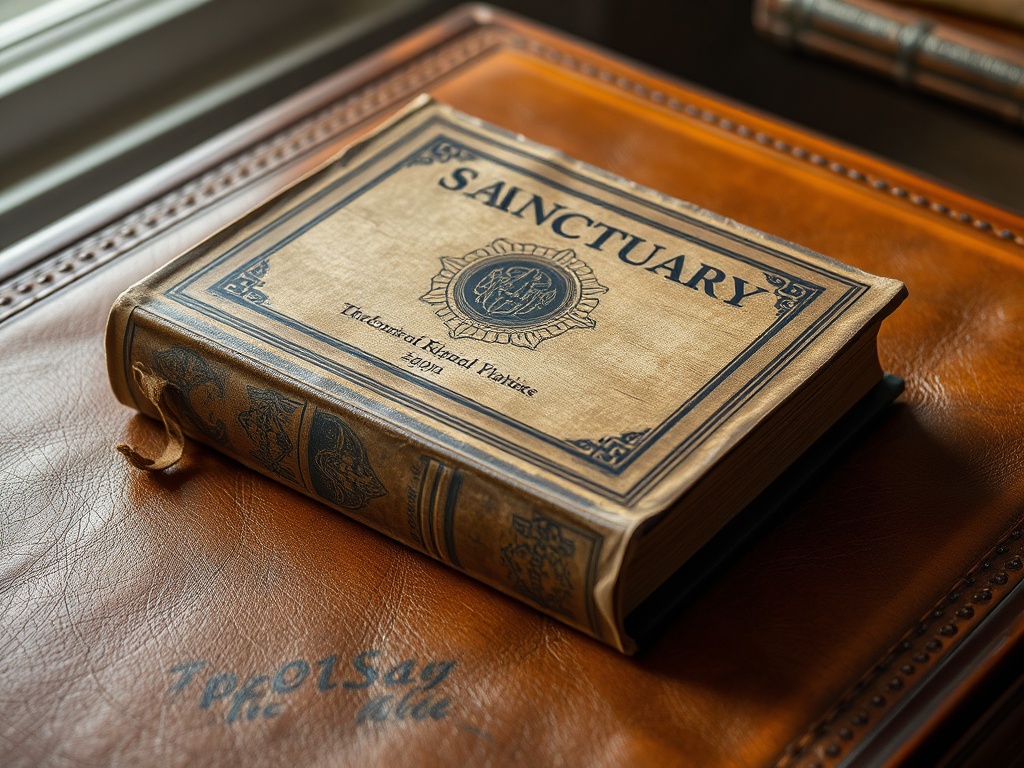
7. William Faulkner’s Sanctuary (1931, Random House)
First state bindings show tight hinges and untouched page deckle. Smell the paper; detect any chemical washes or restorations. Dust jacket integrity is non-negotiable. The specimen before us is a rare survivor; she is a cornerstone copy, unrelentingly scrutinized, yet authentic.
Each specimen embodies history in ink and rag paper. The collector's eye must be trained to read these subtle cues: blunted serifs, offset printing marks, dust jacket folds, and olfactory signals. These are not mere books; they are witnesses. A rigorous scout will handle them with reverence, inspecting every tell. Happy hunting.