
7 Forensic Tells That Separate a True First Edition from a Worthless Pretender

The Copyright Page Is a Crime Scene
The Dust Jacket—Where the Lies Live
The Spine Stamp (She Speaks Here)
The Paper Itself (The Olfactory Test)
The "Point"—That One Imperfect Detail
Binding Variants (The Publisher’s Quiet Revision)
Provenance (The Invisible Ink)
The specimen arrives quietly. No fanfare. No dealer’s whisper. Just a spine—slightly cocked, cloth dulled by a half-century of indifferent shelving. But the truth of her is not in the romance. It’s in the evidence.
What follows is not a list. It’s a field report. Seven tells—the kind that separate a cornerstone from a clever lie. Ignore them, and you’re buying paper. Learn them, and you’re reading history itself.
1. The Copyright Page Is a Crime Scene
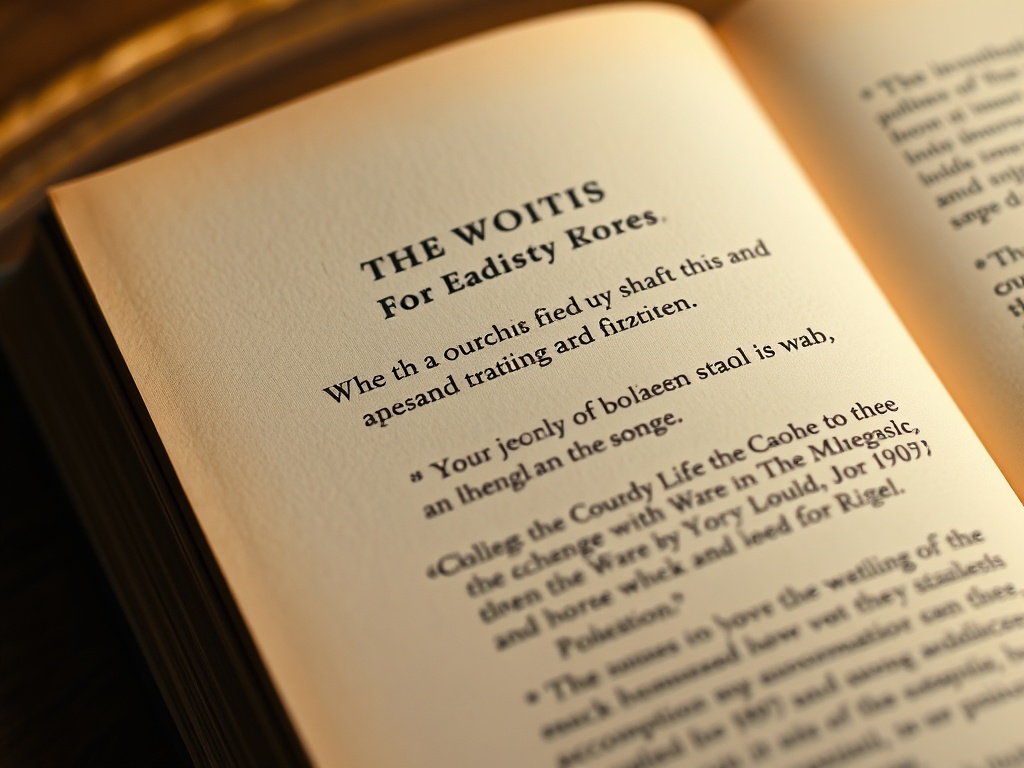
Start here. Always here. The copyright page is where publishers leave their fingerprints—sometimes intentionally, often not. Number lines, stated editions, printing codes—each one a breadcrumb.
A true first state will often carry a full number line descending to "1" (though not always—publishers are creatures of habit until they aren’t). Others use coded language: "First Published" without later printings listed. The absence of evidence is itself evidence.
(And beware the facsimile copyright page—a modern forgery printed with suspicious clarity, lacking the gentle ink diffusion of mid-century presses.)
2. The Dust Jacket—Where the Lies Live

The jacket is where fortunes are made—and where most collectors are deceived. Price-clipping, mismatched blurbs, incorrect author photos—these are not cosmetic issues. They are indictments.
A first edition without its original jacket is half a witness. A book wearing another copy’s jacket—a "marriage"—is a fraud with good tailoring.
The tell is often in the price. A $3.95 flap where the first state should read $3.50. Subtle, yes. But the bibliography never lies.
3. The Spine Stamp (She Speaks Here)
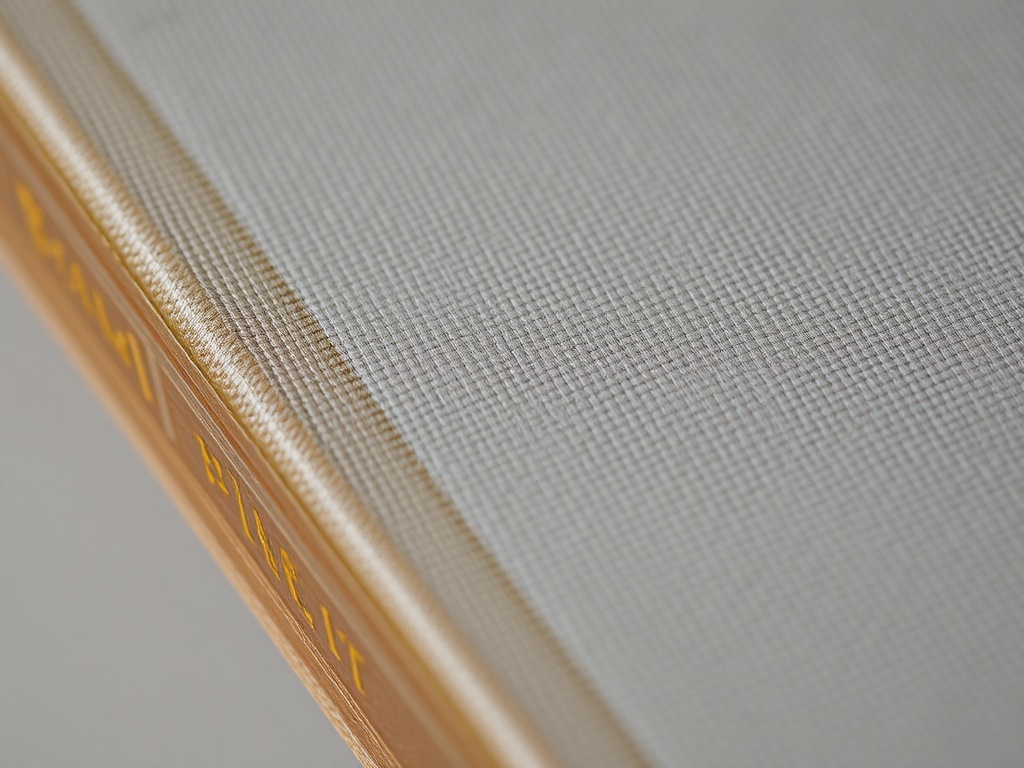
Look at the spine as you would a suspect under interrogation. The stamping—its depth, alignment, and even its fatigue—tells you when she was born.
Early printings often have sharper impressions, the gold or ink sitting crisply against the cloth. Later runs? Softer. Less conviction. Sometimes the publisher has changed dies entirely, leaving behind a different typeface or spacing.
Run your finger across it. (Yes, physically.) A first state often has a tactile authority that later printings lack.
4. The Paper Itself (The Olfactory Test)
This is where the amateurs fall away. Paper is not passive. It ages, reacts, remembers.
Hold the page. Smell it. Basement musk is acceptable—honest even. Active mold is a death sentence. But beyond condition, there’s composition. Early 20th-century paper carries a different weight, a different grain.
(And yes, you can feel the difference between rag content and later wood pulp if you’ve handled enough specimens.)
5. The "Point"—That One Imperfect Detail
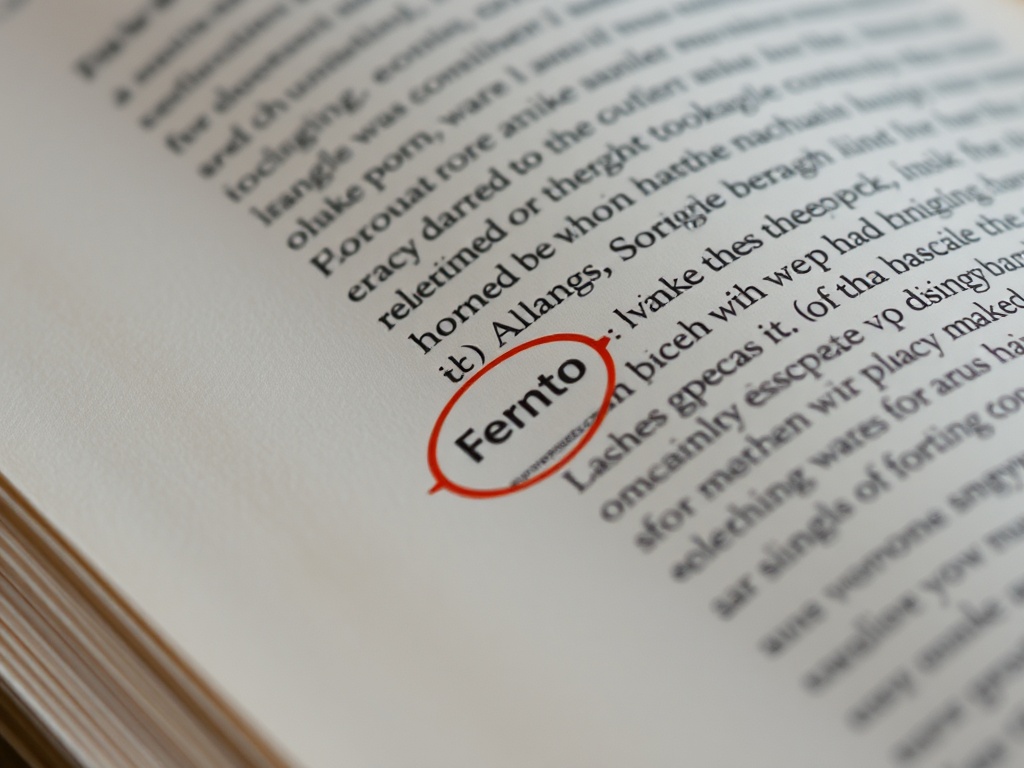
Every true first has a tell. A misprint. A dropped letter. A pagination error. Something the publisher corrected once they realized the mistake.
This is the heartbeat of the hunt. The famous blunted "j," the misaligned line, the incorrect date. These are not flaws—they are signatures.
Miss the point, and you miss the book.
6. Binding Variants (The Publisher’s Quiet Revision)
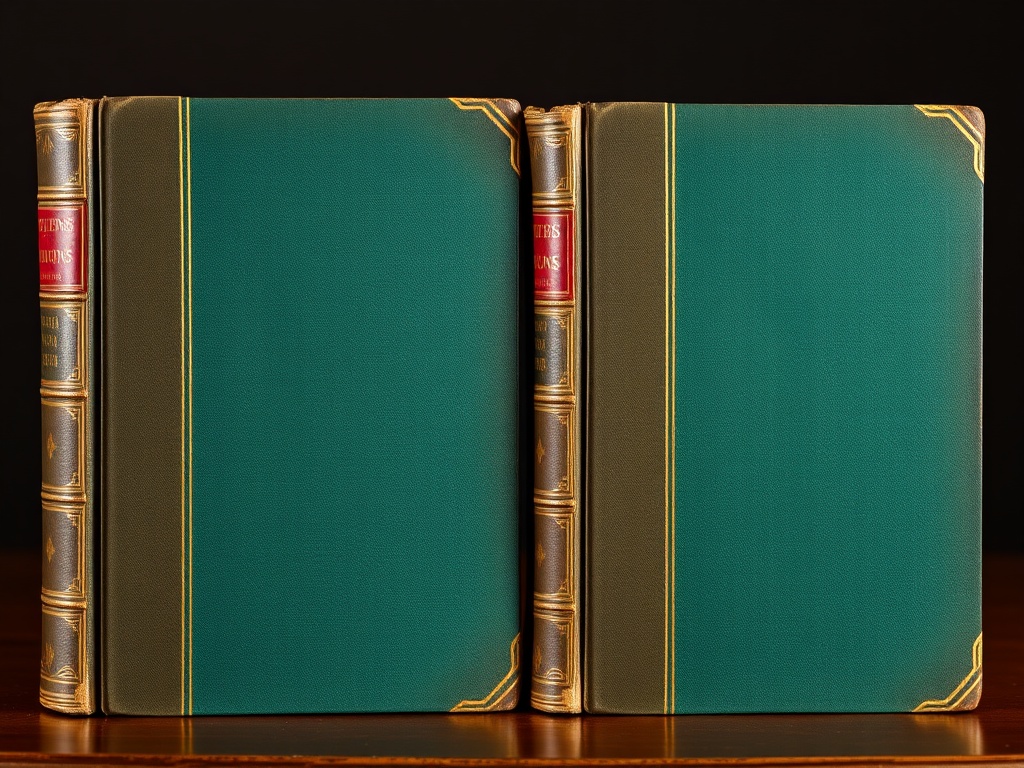
Publishers change materials mid-run. They run out of cloth. They switch suppliers. And suddenly, you have variants.
Some are legitimate first states. Others are later bindings masquerading as earlier ones. The difference is often in the shade of cloth, the weave, or the endpapers.
This is where experience—or a well-thumbed bibliography—becomes indispensable.
7. Provenance (The Invisible Ink)

Sometimes the most valuable evidence isn’t printed at all. It’s written by hand. An inscription, a bookseller’s ticket, a receipt tucked between pages.
Provenance doesn’t make a later printing into a first—but it can elevate a true first into something else entirely. A witness with a story.
But be cautious. Ink can be faked. Stories can be invented. The handwriting must match the era. The paper must accept the ink naturally.
The Verdict
The difference between a first edition and a pretender is rarely dramatic. It is quiet. Subtle. Almost polite in its deception.
But once you’ve seen the tells, you cannot unsee them. The market becomes less mysterious, more mechanical. You begin to understand that value is not assigned—it is discovered.
The specimen before you will always tell the truth. You just need to know where to look.
Verdict: Master these seven tells, and you move from collector to investigator. Ignore them, and you’re buying ghosts.
Happy hunting.